Posts
What Makes an S-Tier Home Inspection? The Standards That Set the Best Apart
Quick Answer: A good home inspector is licensed, evaluates every major system thoroughly, explains what findings mean, knows when a specialist is needed, and delivers a clear report with photos and next steps. In Texas, that starts with a TREC license. A home inspection report can run dozens of pages. But does a longer report automatically mean a better inspection? Not necessarily. What matters is how carefully the inspector evaluated the home, whether they recognized potential problems, and how clearly they explained those findings.
That’s what we’d call an S-tier home inspection. And if you’re wondering what makes a good home inspector or how to choose the best home inspection company, there are a few standards worth knowing before you book.
1. A Licensed Inspector Who Knows What to Look For
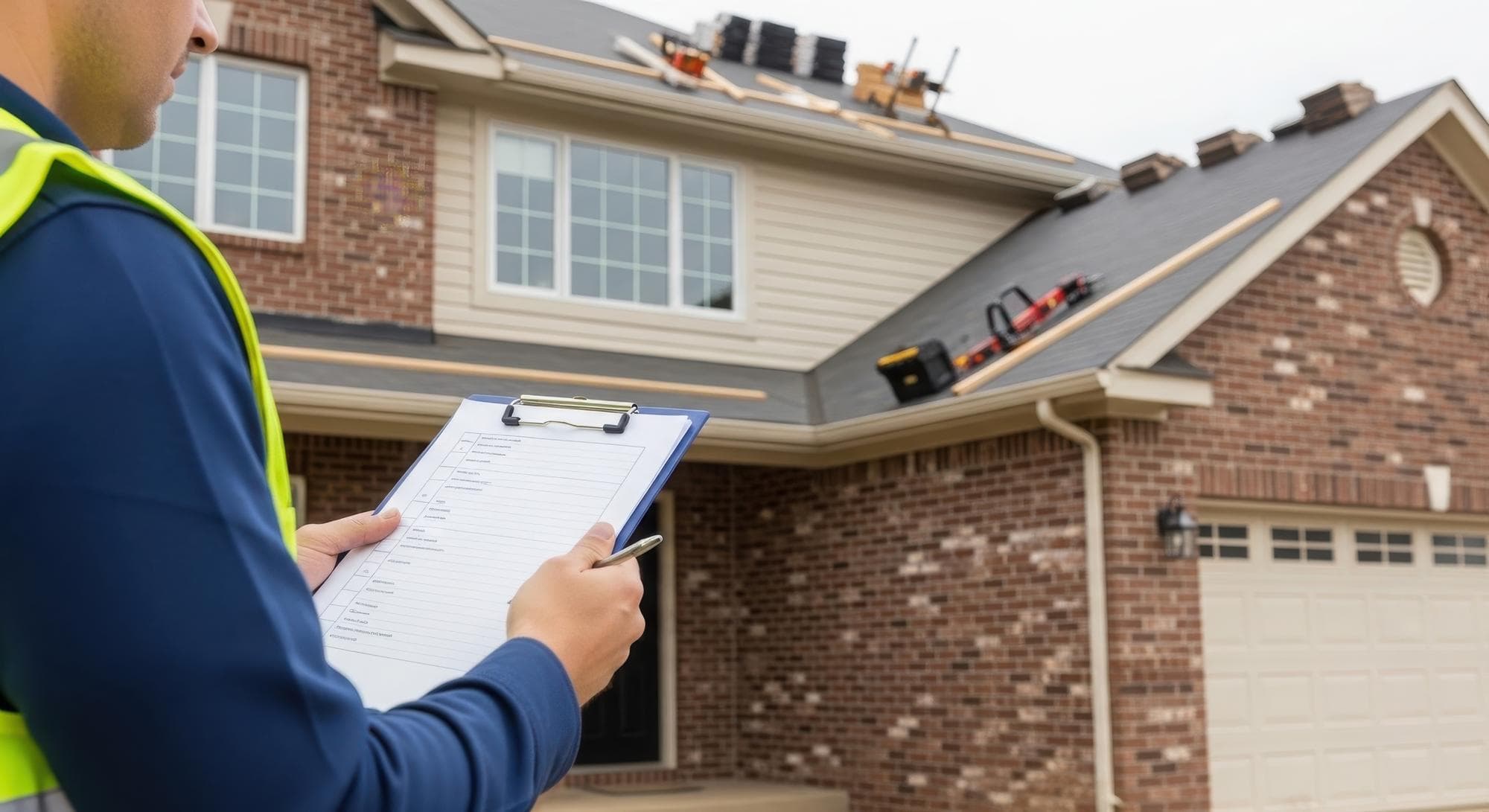
In Texas, home inspectors must be licensed by the Texas Real Estate Commission (TREC).
To become a Professional Real Estate Inspector, applicants must meet education and examination requirements. According to TREC, this license allows inspectors to work independently rather than under another inspector’s sponsorship.
Active inspectors must also meet continuing education and financial responsibility requirements. But licensing is only the starting point. If you’re comparing qualifications, our guide to certified vs. uncertified home inspectors explains why credentials matter.
2. An Inspector Who Explains What the Findings Mean
Imagine your inspection report identifies two problems:
- Worn caulking around a bathtub
- Moisture staining beneath an upstairs bathroom
Both deserve attention, but they raise different questions. Worn caulking may be a straightforward maintenance issue. Moisture staining, on the other hand, could indicate an active or previous leak that needs further investigation.
A good inspector documents what they observe and explains the concern without jumping to conclusions. That distinction matters when you’re deciding which findings need prompt attention, which require specialist evaluation, and which may be routine maintenance.
3. A Thorough Inspection of the Home’s Major Systems
An S-tier inspection isn’t about spending extra time on one area while overlooking another.
Texas inspectors follow TREC’s Standards of Practice, which establish minimum inspection requirements. A thorough inspection applies those standards carefully across the home’s accessible systems.
Here’s what that looks like in practice.
Plumbing
The inspector evaluates accessible fixtures, supply connections, drains, and water-heating equipment. They also look for visible leaks, moisture staining, and conditions that could indicate a problem requiring further evaluation.
Concealed plumbing isn’t fully visible during a standard inspection, so inspectors should also explain when specialized leak detection may be appropriate.
Roof
Texas weather makes roof condition particularly important. According to Verisk, Texas led the nation in property insurance claim volume during the second quarter of 2025, with wind and hail accounting for 79% of the state’s claims.
A thorough inspector evaluates accessible roofing materials, flashing, roof penetrations, and visible drainage concerns. Attic observations may also reveal evidence of past or ongoing moisture intrusion.
HVAC
According to the U.S. Energy Information Administration, air conditioning is used in nearly all Texas homes, making HVAC performance an important consideration.
An inspector checks accessible HVAC components and operation under appropriate conditions, including the thermostat, visible ductwork, condensate drainage, and heating or cooling performance.
If the system isn’t operating as expected, the report should explain the observed concern and whether an HVAC contractor should investigate further.
Electrical
Electrical inspection findings can have immediate safety implications. Inspectors evaluate accessible electrical components, including panels, receptacles, and visible wiring, for deficiencies such as damaged equipment, improper connections, or missing FCI or AFCI protection where required.
An S-tier inspector explains which observed conditions raise safety concerns and when a licensed electrician should evaluate them.
Foundation
In Texas, expansive clay soils can contribute to foundation movement as moisture conditions change. Inspectors look for visible indicators such as cracking, uneven floors, sticking doors, and separation around openings. They also consider drainage conditions that may affect the soil around the foundation.
4. Knowing When a Specialty Inspection Is Needed
A standard home inspection has limits. Some components require specialized equipment or fall outside the required scope.
Sewer Line Scope
A sewer scope uses a camera to examine the interior of a sewer line for problems such as root intrusion, blockages, damaged pipes, or low sections. Because a standard home inspection doesn’t evaluate underground sewer lines internally, a scope can provide additional information.
It may be particularly useful for older homes, properties with mature trees, or houses with a history of recurring drain problems.
Sprinkler Systems
Checking the sprinkler system can be useful, especially if you see evidence of leaks or water collecting near the foundation. In areas with expansive clay soils, uneven moisture around the home deserves attention.
The point isn’t to book every available add-on. It’s to understand which additional inspections are relevant to the property you’re considering.
5. A Home Inspection Report You Can Understand
A detailed inspection is only useful when you can understand the findings. A readable report should help you understand:
- What was found: A clear description of the observed condition
- Where it was found: The location of the concern, supported by photos when helpful
- Why it matters: The potential implications of the finding
- What happens next: Whether maintenance, repair, or further specialist evaluation is recommended
How to Choose the Best Home Inspection Company
Now that you know what goes into a quality inspection, how do you compare companies before hiring one?
Start with these questions:
| What to ask | Why it matters |
|---|---|
| Are your inspectors licensed by TREC? | You can verify that they’re authorized to perform inspections in Texas. |
| Can I see a sample inspection report? | You’ll get an idea of how findings are documented and explained. |
| What’s included in the inspection? | You’ll know which systems are evaluated and what falls outside the scope. |
| Which specialty inspections are available? | You can decide whether additional services make sense for the property. |
| When will I receive my report? | You’ll know whether the turnaround fits your homebuying timeline. |
| Can I ask questions about the findings? | You’ll understand how the company handles follow-up questions and clarification. |
The best home inspection company isn’t necessarily the one with the longest list of services. Look for clear answers, a well-defined inspection scope, and a report that helps you understand the property’s condition.
Time for an Inspection
Before choosing an inspector, ask to see a sample report and find out exactly what’s included. Those two things can tell you a lot about the service you’re paying for. GreenWorks offers home inspection packages that let you compare options and add services based on your property’s needs.
Schedule your home inspection with a team recognized by Inc. 5000, rated A+ by the BBB, and backed by in-house engineers.