Posts
If You Could Inspect Only One Thing in a Home, What Should It Be?
Quick Answer: If you could inspect only one thing in a home, focus on water-related issues. Plumbing leaks, roof damage, poor drainage, and moisture buildup can lead to costly problems that aren’t always visible.
Your home has dozens of systems working at once, and each one matters. But if you could only inspect one thing, what should it be?Our inspectors hear this question all the time, and their answer usually comes down to one word: water.
Anything that keeps water out of your home, or carries it safely through it, belongs at the top of your list of home inspection priorities. Let’s walk through the most important things to inspect in a house, with a focus on what we see most often in Texas homes.
Why Water Is the Biggest Threat to Your Home
Water damage is sneaky. It usually starts small and out of sight, and by the time you notice it, the repair bill has already grown.
It’s also really common. Insurance Information Institute data from 2019 through 2023 shows that about 1 in 67 insured homeowners filed a claim for water damage or freezing each year, with an average claim of around $15,400, as reported by This Old House.
That’s why the parts of your home that control water tend to matter most. Here’s where we’d focus first.
1. Plumbing
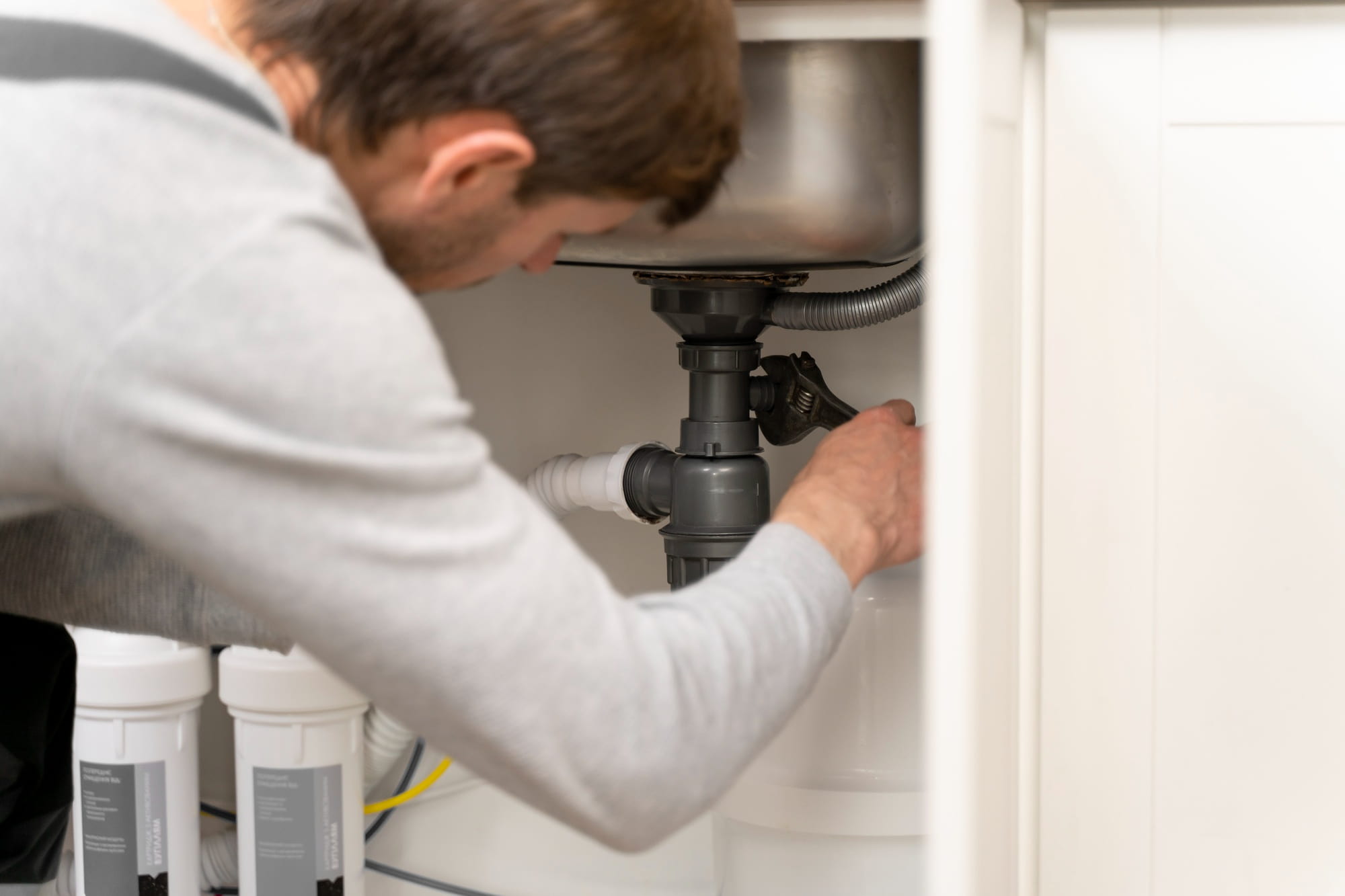
If we had to pick just one, plumbing would be a strong contender. A leak under your floors can get expensive fast, because the water has usually been spreading for a while before anyone notices.
This is a big deal in Texas. Most homes here sit on concrete slab foundations, so many water lines run under the slab. When one of those lines leaks, it’s called a slab leak, and it can go unnoticed for months.
A few signs to watch for:
- A water bill that’s higher than usual for no clear reason
- Warm spots on the floor
- The sound of running water when everything is turned off
- Damp carpet or warped flooring
During an inspection, we check for active leaks and look for water stains or damage that could point to a hidden problem.
2. The Roof
Your roof is what keeps rain out, so a damaged one can let water into your attic and ceilings. Once water gets in, it can soak insulation and eventually lead to mold.
In Texas, roofs take a real beating. In 2025, damaging hail hit more than 235,000 homes in the state, more than any other state, according to Cotality’s 2026 Severe Convective Storm Risk Report.
Hail damage is often hard to spot from the ground, so many homeowners don’t know their roof has a problem until a leak shows up inside.
A roof inspection checks the shingles, flashing, vents, and gutters, as well as the attic underneath, where early signs of leaks often appear first.
3. The Foundation
Foundation problems don’t always look serious at first. Sometimes the first clue is something as small as a door that suddenly starts sticking.
When a foundation shifts, door frames can get pulled out of square. So if a few doors in your home start dragging or won’t latch around the same time, it’s worth having someone take a closer look.
This comes up a lot in Texas. Much of the state sits on expansive clay soil that swells when it’s wet and shrinks when it’s dry, and the Texas Department of Licensing and Regulation calls these soils a very common cause of foundation problems.
4. Moisture and Mold
Mold needs moisture to grow, and Texas homes have plenty. Humid air and months of nonstop AC give moisture lots of chances to build up. A small leak or a clogged AC drain line is often all it takes for mold to get started.
Radon is another air quality concern people often ask about, but it’s less common here. On the EPA’s original radon zone map, no Texas county was placed in the highest-risk zone. Newer testing has found elevated levels in some parts of the state, though, and the EPA recommends testing every home no matter where it is.
Why We’d Never Recommend Inspecting “Just One Thing”
It’s helpful to know where the biggest risks are. In a real home, though, most problems are connected.
A plumbing leak can lead to mold. A roof leak can, too. Sticky doors can point to a foundation issue. And a hot, poorly vented attic can wear out your AC faster than it should.
When you only check one area, it’s easy to miss the bigger picture. A full home inspection looks at the whole house together, including the roof, foundation, plumbing, electrical, HVAC, and attic.
Want to know what our inspectors find most often? Our list of red flags found during Texas home inspections covers the problems that come up again and again.
So what are the most important things to inspect in a house? Start with anything that involves water. Then check everything else too.
Get the Full Picture of Your Home
Knowing your home inspection priorities helps you understand where problems are most likely to start. When it comes to your home, though, you deserve to know it all.
Ready to see what’s really going on in your house? Book your home inspection with GreenWorks, and our team will take care of the rest.