

Posts
Top Signs You Should Get Your Water Tested Immediately
Most of us don’t think twice before pouring a glass of water from the tap. It’s just there, clear and seemingly harmless. But what if that water is quietly putting your health at risk?
Even in the U.S., where municipal water systems are regulated, contamination can still slip through the cracks.
Whether it’s from aging infrastructure, industrial runoff, or your own plumbing system, threats to your water supply are real and more common than you think. That’s why water quality testing is essential to ensure you are consuming safe water.
Why Water Quality Testing Matters
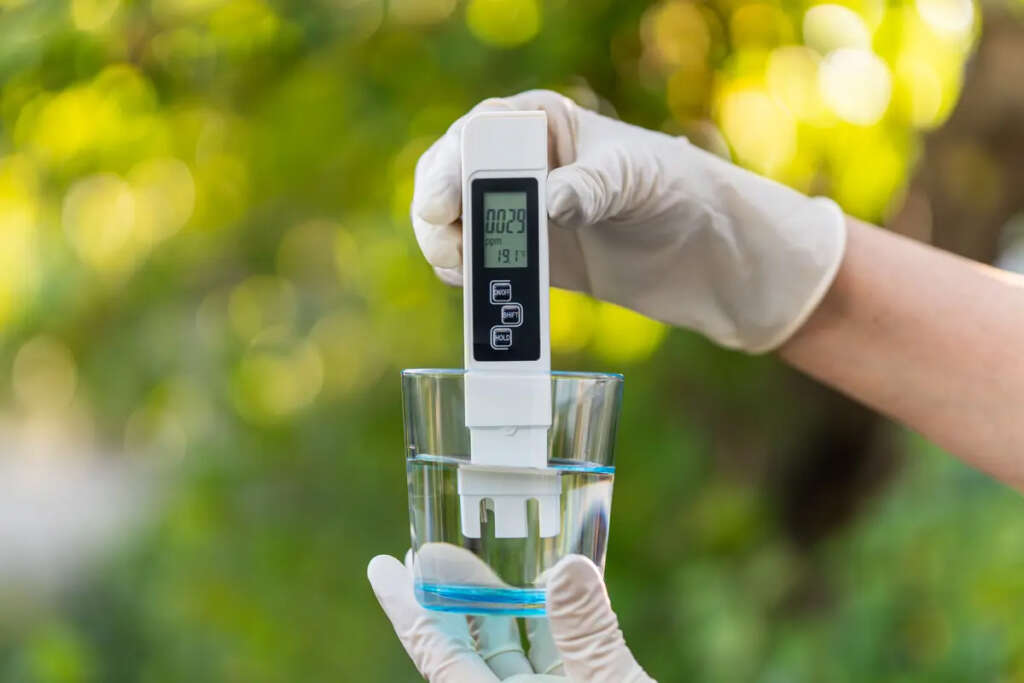
Contaminated water can cause a range of health issues. Its effects range from minor skin irritations to serious long-term diseases like cancer, neurological damage, or reproductive issues. It’s not just about drinking water, showers, laundry, and cooking, all of which expose you to waterborne risks.
The Environmental Protection Agency (EPA) regulates over 90 contaminants in public drinking water. It includes lead, nitrates, arsenic, and bacteria. If you are on a private well, the responsibility to test and treat your water falls entirely on you.
Signs of Contaminated Water
Here are some warning signs that indicate your water is contaminated:
1. Your Water Smells Off
It is one of the most noticeable signs of contaminated water. If there is a strange odor like:
- Rotten eggs: It can be due to decaying organic matter and bacteria in your plumbing system
- Bleach or chlorine: It indicates over-chlorination or a treatment issue
- Earthy or musty odor: It indicates algae, mold, or bacterial growth in your water supply
When your nose picks up something odd, your next step should be water quality testing to identify the exact cause.
2. Unpleasant Taste or Metallic Aftertaste
Clean water is tasteless. If you detect a strong metallic, salty, or chemical taste, the water is unsafe. It’s a major clue that something harmful is present in your water.
- A metallic taste indicates high levels of iron, copper, or lead
- A salty taste indicates high sodium levels in the water
- A Chemical taste could be due to pesticides, industrial waste, or excess chlorine
3. Cloudy or Discolored Water
Your water should be crystal clear. If it looks foggy, brown, yellow, or green, it’s time to investigate. Discoloration is one of the clearest signs of contaminated water and should trigger immediate testing.
- Cloudy water may contain sediments, bacteria, or minerals.
- Reddish brown water often points to corroded copper plumbing
- Black water could be due to mold, manganese, or even sewage contamination
4. Your Home Uses a Private Well
If you’re on a private well, you should test your water at least once a year and more often if there are any signs of trouble. Unlike municipal water, private wells are not monitored by local governments. This means contaminants like E.coli, nitrates, and heavy metals can go undetected for years if you’re not testing.
5. You Had Plumbing Work
Even if your home has newer pipes, any plumbing updates or municipal work can disturb sediment and release contaminants into your water supply. In such a scenario, you should get a water quality test right after the repair work.
6. You Live in an Older Home
If your home is older, it may have lead pipes, lead solder, or galvanized plumbing. Lead is a silent threat, as it has no taste, smell, or color. However, it can cause serious developmental issues in children and long-term health problems in adults.
7. Family Members Are Getting Sick
If any of your family members have unexplained gastrointestinal issues, skin rashes, or fatigue, the reason can be contaminated water. Bacteria and viruses, such as E. Coli or Giardia, raise health issues. Moreover, the presence of heavy metals can also impact health. You should confirm the reasoning by getting a test as soon as possible.
8. You Live Near Agriculture or Industry
If you live near a farm, factory, or gas station, your water is more likely to become contaminated. Agricultural runoff can introduce nitrates, herbicides, and bacteria into the water, and industrial areas may leak volatile organic compounds (VOCs) or heavy metals into groundwater.
Don’t forget about road salt, construction debris, or even landfill waste, all of which can infiltrate your local water resource.
9. You’re Expecting a Baby
Pregnant women and infants are especially vulnerable to contaminated water. Nitrates present in water can cause blue baby syndrome, a condition that affects how oxygen is carried in an infant’s blood.
The U.S. Centers for Disease Control and Prevention (CDC) recommends testing well water at least once each year to keep yourself and your loved ones healthy.
10. You Notice Stains or Scale Buildup
If you notice brown, red, or blue-green stains on your fixtures, white scale on dishes or faucets, there is high mineral content in your water. This hard water is not always dangerous to your health, but it can shorten appliance life and damage the plumbing system.
A quick water test can help you understand the composition of your water and the best way to treat it.
Final Thoughts
Water is life, but it should be safe to consume. If you have noticed any signs of contaminated water, you should get a water quality test immediately. It is essential to ensure the health of your family and keep your home’s plumbing system in good condition.
GreenWorks Inspections offers water testing for homeowners. By scheduling this test, you can learn the signs of contaminated water and find a solution to it.