Posts
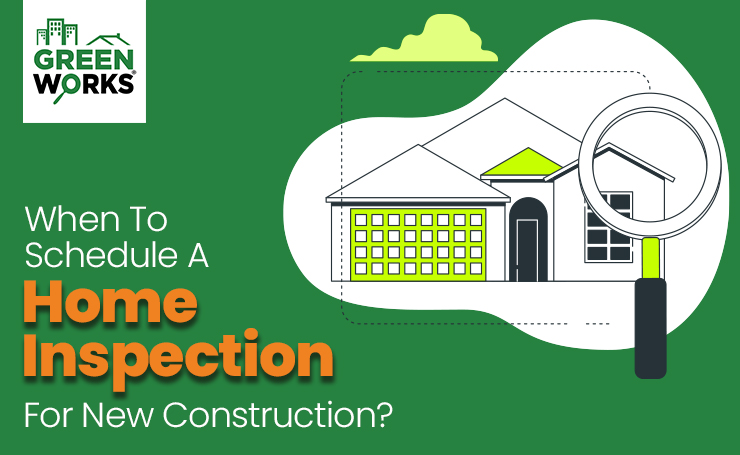
When To Schedule A Home Inspection For New Construction?
The best time to schedule a home inspection for new construction projects is during three critical phases: foundation pre-pour, pre-drywall framing, and right before closing on your new home. Many buyers wonder whether they need to get a home inspection on new construction homes when city inspectors are already involved.
Independent inspectors catch hidden framing flaws, electrical errors, and insulation gaps before drywall seals them forever. Booking phased inspections ensures every stage of your home meets high structural standards, protecting your investment before you sign the closing documents.
Why Timing Matters for New Construction Inspections
Buying a brand-new house feels like a guarantee of perfection, but the homes are built on incredibly tight schedules. Dozens of subcontractors work on different parts of the home simultaneously. Once drywall goes up, critical structural supports, plumbing lines, and electrical conduits disappear behind smooth paint.
If you wait until the day before closing to look for issues, you lose the opportunity to fix fundamental problems. Understanding when to get a building inspection during the home-buying process allows you to catch builder oversights while the house is still an open skeleton.
Catching structural or mechanical mistakes during early construction phases costs a fraction of what it takes to repair those same issues after you move in.
The 3 Critical Inspection Phases for New Homes
Rather than relying on a single walkthrough at the end of the build, smart buyers schedule a series of phased inspections. Here is how the timeline breaks down:
| Inspection Phase | Ideal Timeline | Key Components Checked | Why It Is Vital |
| Phase 1: Foundation Inspection | Right before concrete is poured. | Excavation depth, rebar placement, vapor barriers, soil compaction. | Ensures your foundation will not crack, shift, or sink unevenly. |
| Phase 2: Pre-Drywall Inspection | After framing, plumbing, and wiring are in, but before insulation and drywall. | Roof trusses, wall studs, electrical conduits, plumbing lines, HVAC ducting. | Catches load-bearing errors, notched joists, and miswired junction boxes. |
| Phase 3: Final Inspection | 3 to 7 days before your final walkthrough with the builder. | Roof shingles, attic insulation, electrical panel, plumbing fixtures, HVAC output. | Provides a complete punch list for your builder to fix before closing. |
Municipal Code Inspectors vs. Independent Inspectors
A common myth among buyers is that municipal building inspectors eliminate the need for private home inspections. While city inspectors play an important role, their scope is very different from a dedicated third-party evaluation.
City inspectors work for the local government to enforce baseline municipal codes. They often manage heavy daily caseloads, spending only ten to fifteen minutes at each job site. They verify that minimum code standards are met. They do not evaluate overall build quality or cosmetic finish.
An independent home inspector works exclusively for you. They spend two to four hours crawling through attics, testing outlets, running water lines, and evaluating overall workmanship. They work as per the SOPs of the American Society of Home Inspectors (ASHI).
How to Coordinate Inspections with Your Builder
Working an independent inspector into your build schedule requires clear communication with your builder from day one. Follow these simple steps to keep your project moving smoothly:
- Include Inspection Clauses in Your Purchase Contract: Ensure your sales agreement explicitly grants your third-party inspector access to the property at key milestones before you sign the contract.
- Give Your Inspector Early Notice: Build schedules shift constantly due to weather and material delays. Stay in weekly communication with your superintendent so you can give your inspector a heads-up a few days before framing finishes or concrete pours.
- Deliver the Official Punch List Promptly: Once your inspector completes their written report, hand the findings over to your builder immediately. This gives subcontractors time to address repairs before drywall crews arrive or closing dates lock in.
Protect Your Investment with GreenWorks
Building a brand-new home is one of the biggest financial decisions you will ever make. Do not assume everything behind your walls is perfect just because the paint looks fresh. Once drywall is up and closing papers are signed, getting a builder back to fix hidden plumbing leaks or sagging roof trusses becomes a long, frustrating battle.
At GreenWorks Inspections & Engineering, our certified professionals specialize in phased new construction inspections. We act as your independent advocate from foundation pour to final walkthrough.
Don’t Forget To Mention GC25