


Posts
What is the Difference Between Mold and Mildew
Have you ever peeped into a corner of the shower, or looked under a sink, and noticed those velvety fuzzy patches, or that light powdery film? Well, you are not alone. These could be mold or mildew? Confused? Don’t be. Whether you’re a homeowner trying to protect your family or simply someone who wants a clean, safe environment, understanding the difference between mold vs mildew should be a priority.
In this blog, we’ll walk you through the key differences between mold and mildew, help you understand “what is mildew,” and answer questions such as “is mildew mold” and “is mildew same as mold” in plain English so that you can act confidently.
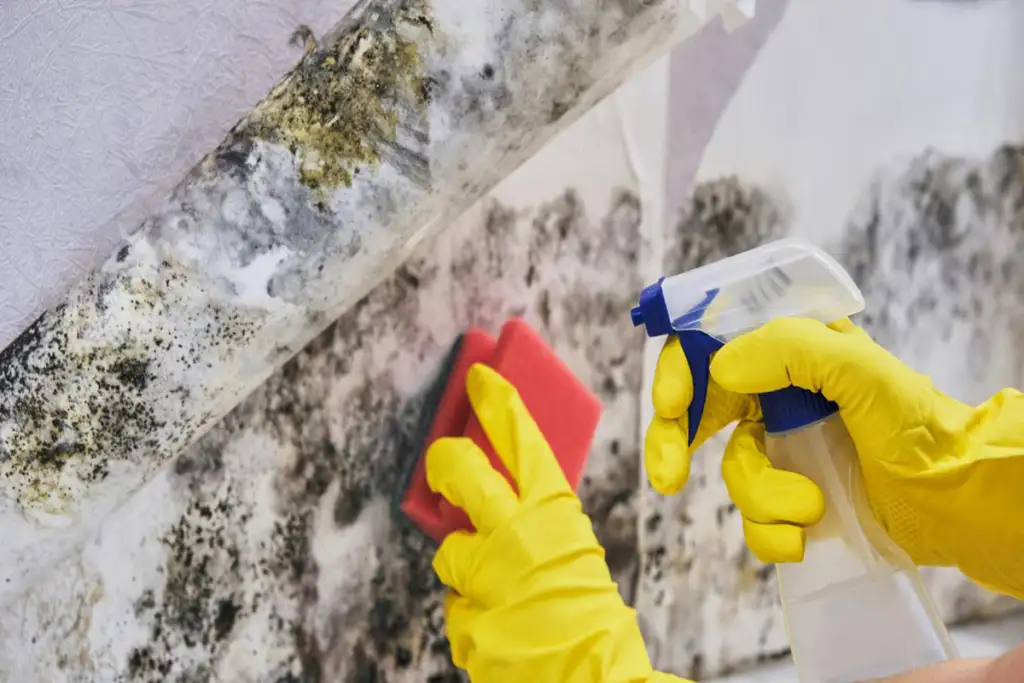
What is Mildew (And How Does it Relate to Mold)
Let’s start by clearing up one of the biggest confusions: what is mildew? Mildew is a fungus, and more specifically, it is referred to when some form of mold or fungi proliferates in a particular manner (flat, powdery) as opposed to it being an entirely separate organism. The Environmental Protection Agency (EPA) states that “mildew” is the most common and generic term for mold growth, typically (but not always) having a flat growth pattern.
So when someone asks, “Is mildew mold?” The answer to that is, of course, it is; we may call mildew a subset of what we generally refer to as mold. That helps explain why the terminology “mold vs mildew” can cause confusion.
The Critical Visual and Behavioral Differences
Though they are related, mold and mildew behave differently, so treat them differently. Here’s a quick look:
Mildew
- Normally, documented as a type of flat, powdery growth or downy growth that is usually white, grey, or yellowish in color.
- It proliferates on surfaces, in one place, in the shower room, windowsill, or clothing. It is not habitually penetrative.
In most cases, it can be cleaned using household means.
Mold
- Fuzzy-looking, often slimy, raised patches. May be of a highly diverse color: black, green, brown, even pink or orange.
- Thrives on or inside more porous surfaces (drywall, wood, inhabitants) and can go deep.
- It is more dangerous to health and often requires professional treatment.
So when we talk about “the difference between mold and mildew,” one main point is the extent of growth (surface vs deeper), and another is risk (mildew tends to be less severe).
Why you Should be Concerned: Risks and Consequences
You might think it’s just a small patch of growth, but understanding the actual implications will help you know how to respond.
- According to a study, about 47% of U.S. homes exhibit signs of dampness or mold.
- Although it is not particularly harmful, mildew can cause allergies and irritation of the eyes, nose, throat, and skin.
- Mold may be associated with more serious health issues. Particularly those associated with asthma, allergies, or immune system complications. Some molds produce mycotoxins, thereby increasing the risk.
- Mold may damage building materials, flooring, and drywall, and be hidden behind the scenes.
In conclusion, when you leave mildew unattended, it turns into a severe mold problem.
How to Identify it and What to do About it
The following are easy signs you can check:
- Color/ texture: Light white/ gray/ yellow + powdery = most likely mildew. Black/dark green + fuzzy or slimy = it’s most likely mold.
- Pattern of growth: Is the growth just on the surface(mildew) or is the growth penetrating inside walls/floor (mold)?
- Location: Shower cabins, window sills, wet clothes = usually mildew. Basements, the backs of walls, and under carpets are the domain of mold.
- Smell: A strong musty odor can be an indicator of mold in the background.
Course of Action: cleaning, prevention & when to call a pro
- In the case of mildew: Most of the time you can do it yourself by cleaning with a light detergent, soapy water, or a diluted bleach solution. Ensure that surfaces dry thoroughly.
- In the case of mold: Call a professional if it covers a large area (more than 10 square feet) or if the location is hidden. Experts suggest hiring a professional if it is substantial.
- To prevent (both mold and mildew): Control humidity, regulate temperatures, improve ventilation, fix leaks and moisture problems, use mold-resistant materials, and clean surfaces.
Quick Recap
Q: Is mildew the same as mold?
A: They aren’t, but usually mildew means a slight surface mold. Scientifically, mildew is a type of mold growth.
Q: Can mildew turn into mold?
A: Yes, in a way. Neglecting mildew may lead to deeper mold growth as conditions persist.
Q: Which is more dangerous, mold or mildew?
A: Mold is more dangerous due to deeper penetration and potential production of mycotoxin.
Q: How fast do they grow?
A: Both can begin growing between 24 and 48 hours on a wet surface. Mildew is more surface-bound and slower to penetrate; mold can develop rapidly when moisture and poor airflow are present.
Final Thoughts
When dealing with your home, rental property, or just trying to keep your family healthy, understanding mold vs mildew isn’t just a useless exercise; it’s practical. Understanding the difference between mildew and mold will help you take quicker, more informed action or engage experts before it affects your health and becomes costly to repair.
If you’re noticing suspicious fungi in your house, stop wondering about it and take action. To carry out an adequate inspection, consultation, and professional restoration, contact GreenWorks Inspections. We have trained specialists who are experts in detecting.