

Posts
The Three Phases of Construction: A Comprehensive Guide
Building a home or launching a construction project brings a significant commitment with it. Whether you’re a homeowner working with a builder or a real estate investor managing a project, understanding phases of construction projects helps you to stay ahead of problems, control the costs, and make the appropriate decisions.
Each phase has its own purpose, timeline, and potential pitfalls. If something goes wrong in any of the construction phases, it can impact the structure, safety, and lifespan of the entire home. 59% of people who built a new home felt stressed, anxious, or frustrated during the construction process, but it can be tackled by getting it all inspected during each phase.
Major Phases of Construction
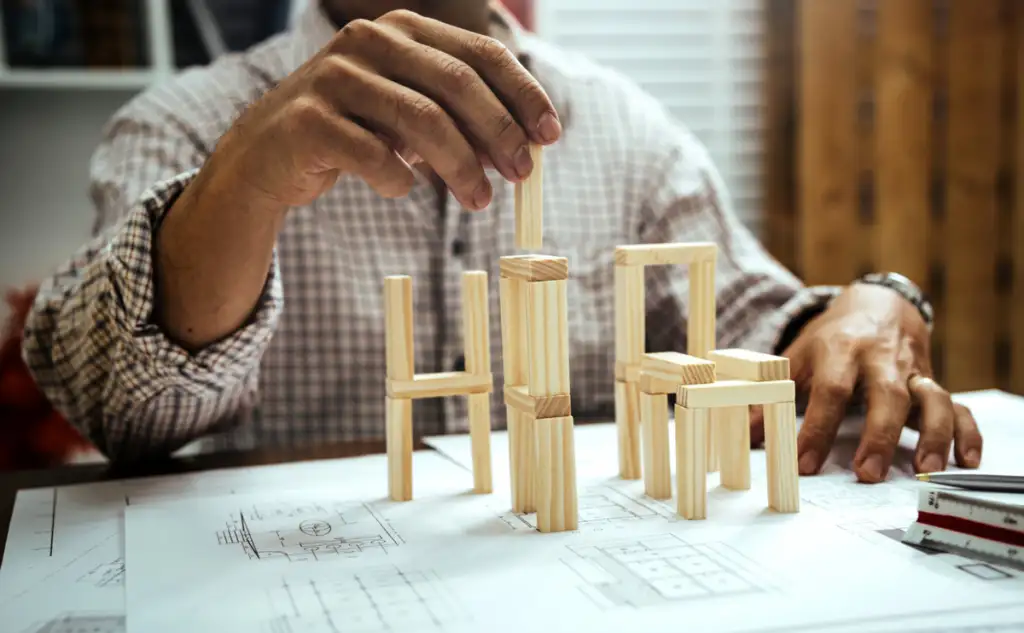
There are three primary construction project phases. Let’s break them down:
1. Pre-Pour or Pre-Construction
It’s the first phase in which all the groundwork is completed. It’s where all the planning, coordination, and compliance work happens. It is the exact time before concrete is poured into the foundation.
The primary focus during this phase is on design and planning. Once this phase is completed, the concrete gets poured, and you get a solid foundation as per your plan.
2. Pre-Drywall
In the second phase of a construction project, everything is built according to the plan and permit. In this phase, several progresses are made by the construction workers. The structure of your home takes shape during this phase. Major stages of this construction phase are:
- Pouring the foundation
- Waterproofing and drainage
- Building the home’s skeleton
- Installation of windows and exterior doors
- Plumbing lines, HVAC ductwork, and electrical wiring are routed through the framing
- Fireblocking and insulation prep
All the essential work before the installation of the drywall is completed at this stage. It is time to ensure the safety and compliance of all installed systems, so no issues remain behind the walls.
3. Post Construction
Once the building looks complete, many people think it’s ready to move in, but the construction process requires a final inspection to evaluate the work and clean up the home. After the completion of a construction, here’s what happens:
- Testing of systems like HVAC, plumbing, and electrical under load
- Final walkthroughs to spot cosmetic flaws
- City inspections to verify code compliance
- Client handover with necessary documentation and warranties
It’s the last opportunity to catch issues before taking full ownership.
Why a Home Inspection Matters During Each Phase of Construction
The stages of a construction project are smooth and well-planned to ensure safe execution. Then why is a home inspection recommended during each phase?
Well, the answer to this question is straightforward. Even the most experienced builders are juggling multiple crews, materials, deadlines, and inspections. Therefore, mistakes can and do happen. Many of the errors often get hidden once the drywall goes up or the concrete dries.
According to the National Association of Realtors (NAR), 65% of new home inspections uncover issues. A professional inspection by certified inspectors helps homeowners avoid future failures, water damage, safety hazards, and costly repairs. Let’s know in depth how a phase inspection is helpful for the homeowners:
1. Pre-Pour Inspection
Right before concrete gets poured, this inspection checks footing depth, rebar placement, moisture barriers, and the foundational sign. The purpose of this inspection is to make sure that the home is going to be constructed on a solid foundation.
2. Pre-Drywall Inspection
Once the framing and rough-ins are done, it’s the last chance to check everything before it gets covered with a wall. In this phase, the home inspector checks for framing errors, wiring issues, HVAC problems, or missing insulation. If any issue is found before installing the drywall, it can be fixed easily without tearing the surfaces and incurring significant costs.
3. Final Inspection
When all the finishes are done, the final inspection verifies that systems are safe, functional, and materials are installed correctly. Nothing was skipped during the final rush to the finish line. Detecting the issue at an earlier stage, you can ask the builder to repair and complete the work before moving in.
4. 11-Month Warranty Inspection
Most of the builders provide a 1-year warranty. So the homeowners get an inspection in the 11th month to know what needs to be fixed. Having a report of defects linked to the construction defect, they claim repairs from the builder. This step is just to ensure that you are living in a safe home that has no hidden problems.
Final Thoughts
Construction projects are significant undertakings, and they can be overwhelming. By understanding the phases of construction, you stay prepared and know what is going on at your site. Meanwhile, the phase inspections also help you to ensure your home is being built correctly. After all, you don’t want the issues to pop up dramatically in your new home. Getting a phase inspection from a credible company like GreenWorks Inspections you protect your investment, your family, and your future.
Book your phase inspections to ensure your home is being built correctly and there will be no problems waiting for you when you move into your dream home.