


Posts
The Hidden Dangers of Lead in Older Buildings: What Owners Need to Know
The charm of older buildings is irresistible. Everyone loves beautiful bricks, exteriors, original hardwood floors, and vintage details. But the older buildings come with hidden risks. One of the most serious issues is the presence of lead in older buildings. If your property was built before the late 1970s, there is a good chance that lead-based paint or plumbing materials are still present, posing health risks to tenants, employees, or even your own family.
Lead contamination in buildings is a significant issue because the materials used decades ago in the building can still affect people today.
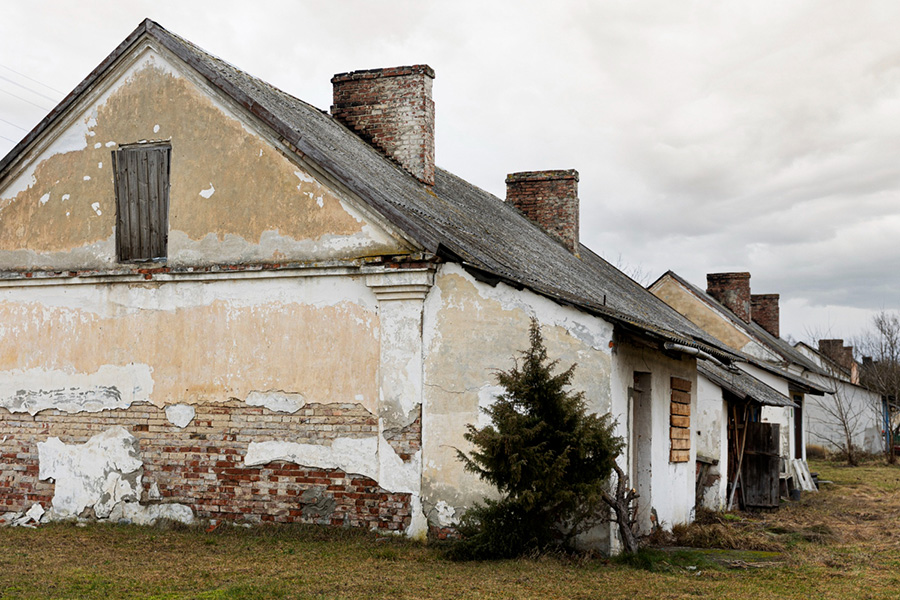
Why Lead in Older Buildings is Still a Concern
Lead was once a go-to material in paints, pipes, and construction products because it was durable, cheap, and widely available. Lead-based paint was banned in the U.S. in 1978. However, millions of older homes and commercial buildings had already been built before that.
It means that if you are dealing with an older building, there’s a good chance that lead contamination in buildings remains a problem. The issue might be hidden behind layers of paint, old plumbing systems, or even contaminated soil around the property.
The Health Risks of Lead Exposure
The real danger of lead isn’t always visible. Dust from deteriorating paint or particles leaching into drinking water can be inhaled or ingested without anyone being aware of it. Over time, even small amounts of lead can cause lasting damage.
Exposure to lead can cause developmental delays, learning disabilities, behavioral issues, hyperactivity, attention problems, and lower IQ levels among children.
In adults, it may lead to high blood pressure, cardiovascular problems, kidney damage, fertility issues, and cognitive decline over time.
Where Lear Lurks in Older Properties
If your building was constructed before 1978, here are the most common places where you can find lead:
- Paint: lead-based paint can chip, peel, and create dust that spreads throughout the home. Even if it’s been painted over, disturbances from renovations can release toxic particles.
- Plumbing: pipes, solder, and fixtures may contain lead that leaches into drinking water, especially if the water is sitting in the pipes.
- Soil around the building: soil near old structures may be contaminated by exterior paint or past industrial activities, which can spread indoors.
- Dust: everyday wear and tear in older buildings can generate lead dust, which is easily inhaled or ingested.
How Lead Contamination Affects Property Value
Beyond the health risks, ignoring lead in older buildings can also hurt a property’s image. The properties with unresolved lead hazards may:
- Face lawsuits or liability issues if occupants suffer health consequences
- Fail inspection during a real estate transaction
- Lose value due to remediation costs
- Be subject to local or federal penalties for non-compliance with safety regulations
For landlords or real estate investors, these financial risks make proactive testing and remediation even more critical.
Warning Signs Owners Shouldn’t Ignore
Lead contamination isn’t always obvious. If there is a hidden risk, there must be red flags that property owners should look out for:
- Flaking or chalky paint on walls, ceilings, or window sills
- Stains, discoloration, or metallic taste in drinking water
- Renovation projects uncovering old paint surfaces
- Complaints from residents about unexplained headaches, fatigue, or health issues in children
It’s right that these signs don’t guarantee the presence of lead, but it is better to get a test to be sure about the serious hidden danger.
What Owners Should Do To Stay Compliant with Regulations
Property owners must stay up-to-date with compliance rules. Federal laws such as the EPA’s Renovation, Repair, and Painting (RRP) Rule require contractors working in pre-1978 buildings to follow lead-safe practices.
In commercial buildings, landlords are required to disclose known lead hazards to tenants under the Residential Lead-Based Paint Hazard Reduction Act. If compliance is ignored, it can result in hefty fines and legal troubles, while also putting people at risk.
Protect People & Property
Owning an older property likely has its own advantages, including a unique character, timeless design, and strong structural integrity. But lead in older buildings is one of the significant hidden risks. Ignoring the risks of lead contamination in buildings can put health, safety, and finances at risk.
There is only one way to stay compliant with the law and maintain a safe indoor environment: getting an inspection. Book your inspection with GreenWorks Inspections and know if your property is safe from the hidden dangers of lead.