Posts
Mold in Attics and Basements: Why Inspections Focus on These Hotspots
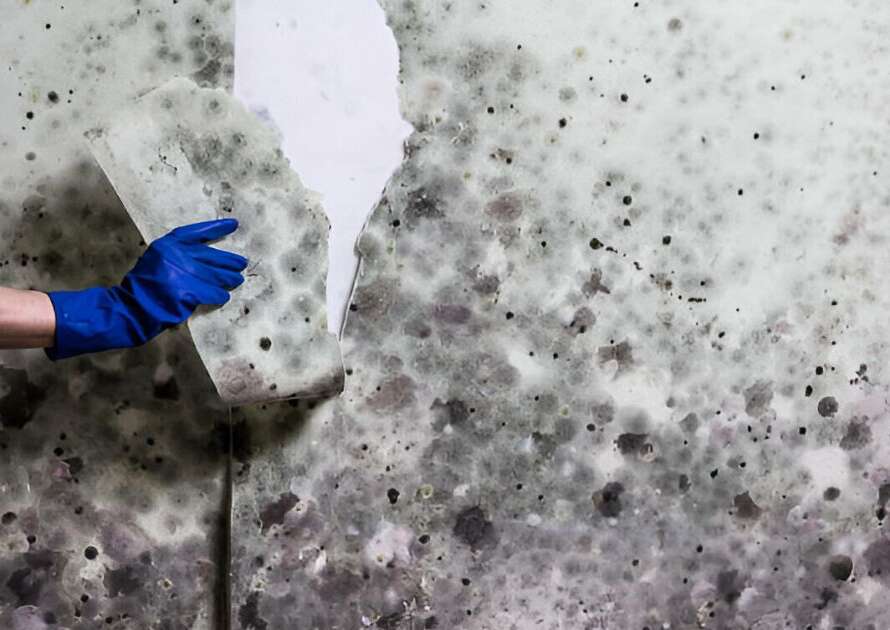
While thinking about mold, you must picture dark patches on the shower tile, a musty smell in a damp closet, or a forgotten food container at the back of the fridge. However, in reality, mold risks usually hide in areas where you spend the least amount of time, such as the attic and basement of your home.
Professionals pay extra attention to these areas during a home inspection. Let’s discover what causes mold in attics and basements and why these areas are known as hotspots for this issue.
Why Mold in Attics and Basements is Common
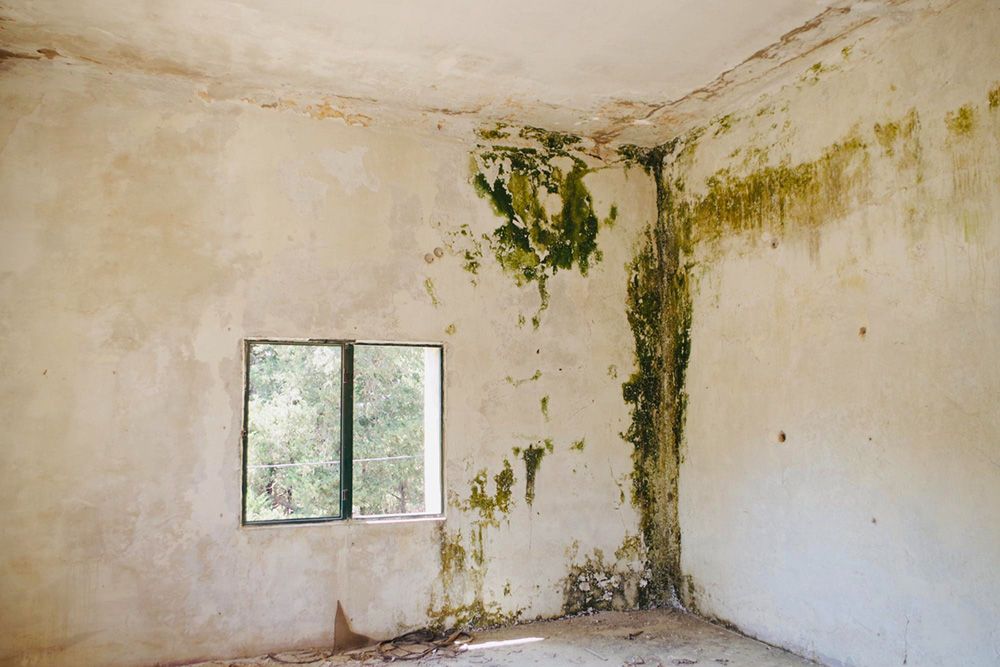
Mold is like that uninvited guest who shows up whenever the conditions are just suitable for its growth. The presence of moisture in a warm environment makes it perfect for mold to breed. In the attics and the basements, there is usually a suitable environment for mold to breed.
Poor ventilation and venting from bathroom fans that direct air into the attic instead of outside cause moisture to be trapped there. Similarly, groundwater seepage, plumbing leaks, or high humidity levels can increase the moisture content in basements.
Your living room and kitchen are regularly heated, cooled, and aired out, but the attic and basement often get neglected. This all makes them perfect hideouts for mold infestation.
The Out of Sight Out of Mind Problem
Almost in every home, attics and basements aren’t rooms you visit every day. That means mold can spread quietly for weeks, months, or even years before you notice something is wrong. By the time a homeowner visits the place and notices visible growth, the damage behind the scenes can be extensive.
In the attic, mold might be eating away at your sheathing or insulation. It threatens the structural integrity of your home. Meanwhile, in the basement, mold may spread along foundation walls, flooring, or ductwork. The mold spores released here can move upstairs into the air you breathe.
This is precisely why home inspectors pay extra attention to these areas. These are the hidden zones where the biggest mold threat often lurks.
Common Mold Spots in Homes
While mold can grow almost anywhere, inspectors are familiar with common mold hotspots in homes and typically check them first. Usually, mold is likely to show up in the following areas:
Areas | To Check |
Attics | roof decking, insulation, rafters, and around bathroom fan ducts |
Basements | foundation walls, behind drywall, around sump pumps, and near water heaters |
Bathrooms | shower grout, under sinks, behind toilets |
Kitchens | under sink, behind refrigerator, near dishwasher |
Laundry areas | around washing machines and dryer vents |
All the spots that are linked with water or high humidity are the points favorable for the breeding of mold.
How Inspectors Spot Mold in Attics and Basements
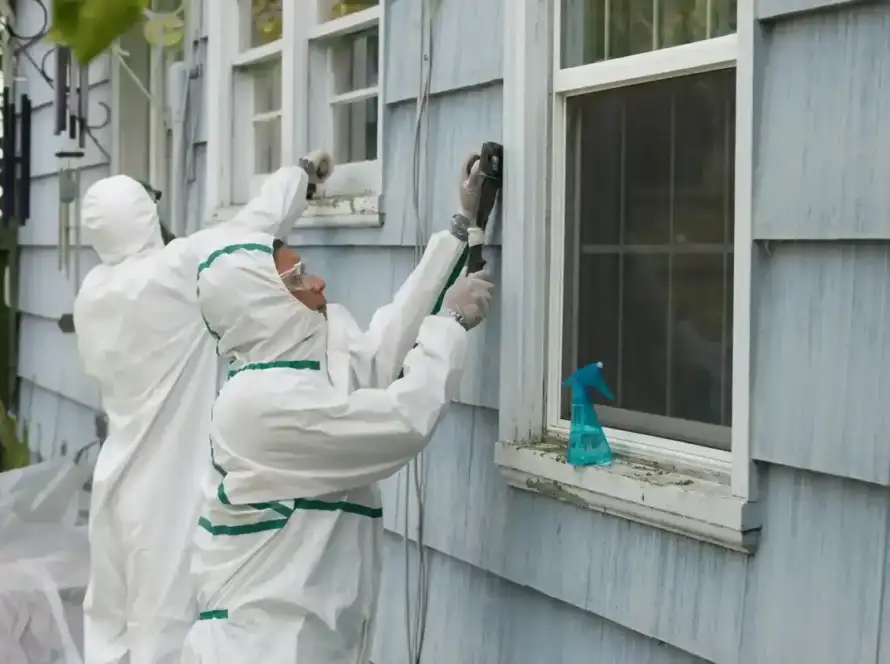
The mold inspectors don’t just take a quick peek and call it a day. They follow a detailed process to find mold, even if it is hiding:
- Visual Inspection: Inspectors start by looking for staining, discoloration, or water damage. Any sign of moisture damage demands checking for mold.
- Moisture Testing: Our licensed inspectors use tools like moisture meters to detect damp spots behind walls or under flooring.
- Air Sampling: In this step, air samples are collected to measure labels of mold spores.
- Surface Sampling: Inspectors collect samples with the help of swabbing or tape-lifting suspected areas for lab testing.
- Ventilation Check: The inspector checks the air flow in the affected areas, as poor air flow in the attic and basement helps the mold to grow.
The inspectors not only identify the presence of mold but also reveal its type, the damage it has caused, and the steps to address it.
How to Prevent Mold Growth in These Hotspots
If you take the steps recommended by a mold inspector, you can prevent future mold growth and damage to your property. Some basic steps among those are:
- Improve Ventilation: Install proper attic vents and make sure bathroom/kitchen fans exhaust outdoors.
- Control Humidity: Keep indoor humidity below 50% using dehumidifiers, especially in basements.
- Fix Leaks Quickly: A minor plumbing leak can cause a bigger problem. Don’t ignore it; it provides a suitable environment for mold to grow.
- Insulate Well: Proper insulation prevents condensation on attic and basement surfaces. It helps to reduce moisture.
- Waterproof the Basement: Seal cracks in foundation walls and consider a sump pump if there is a flood risk. There should be no water damage in the basement.
- Declutter: Avoid storing cardboard boxes or fabric in damp basements; it is better to use plastic bins.
Remember that prevention only works once the existing mold has been treated. So, get a mold test before taking any other step.
Wrapping It Up
Mold in attics and basements isn’t just an aesthetic problem. It is a hazard and a wallet drainer if ignored. Being the least-visited and poorly ventilated areas of the home, attics and basements are prime hotspots for mold growth.
In case of mold infestation, you just need to stay ahead of the potential issues. It can affect your health and the structural integrity of your home. Get a mold inspection from GreenWorks Inspections and catch the problem early to keep your home and health sound for years to come.