

Posts
How to Test Your Home’s Air Quality and Make It Safer
Ever wondered what kind of air you are breathing in at your home? You always feel safe inside your home, but poor air inside your home makes your living place unsafe. According to the Environmental Protection Agency (EPA), indoor levels of air pollutants may be two to five times, and occasionally more than 100 times, higher than outdoor levels.
The concentration of pollutants rises when there’s poor ventilation or hidden contaminants lurking in corners invisible to the naked eye. Only indoor air quality testing can identify the presence of contaminants that are affecting indoor air quality.
Why Indoor Air Quality Testing is More Important
If the indoor air quality is compromised at your home, it can lead to several medical conditions, including sneezing fits, sore throats, headaches, and worst of all, long-term health issues like asthma or other respiratory problems.
That’s the main reason indoor air quality testing is essential for homeowners; it is not a luxury but an act to safeguard your family’s well-being. Being a responsible homeowner, you really need to know what’s really floating around in your home’s air.
The presence of particulate matter such as PM10 (dust, pollen, mold spores) and PM2.5 (tiny particles from smoke, combustion, or pollution) can have a significant impact on health and comfort indoors.
How to Test Air Quality in a Room
There are multiple ways to know about the air quality of a home. Let’s walk through the best ones:
1. Spot Signs Indicating Issues With Air Quality
When there’s something off, you don’t need fancy gadgets to know about it. You can figure out that there’s a problem by noticing a musty smell, condensation on windows, or poor ventilation, signaling that you need a test.
Moreover, there can be unexplained fatigue or headaches due to the presence of volatile organic compounds (VOCs) or mold. If you have noticed any red flags like dusty filters, piles of pet dander, or frequent allergy symptoms, it’s time to test the quality of the air indoors.
2. Test It Yourself
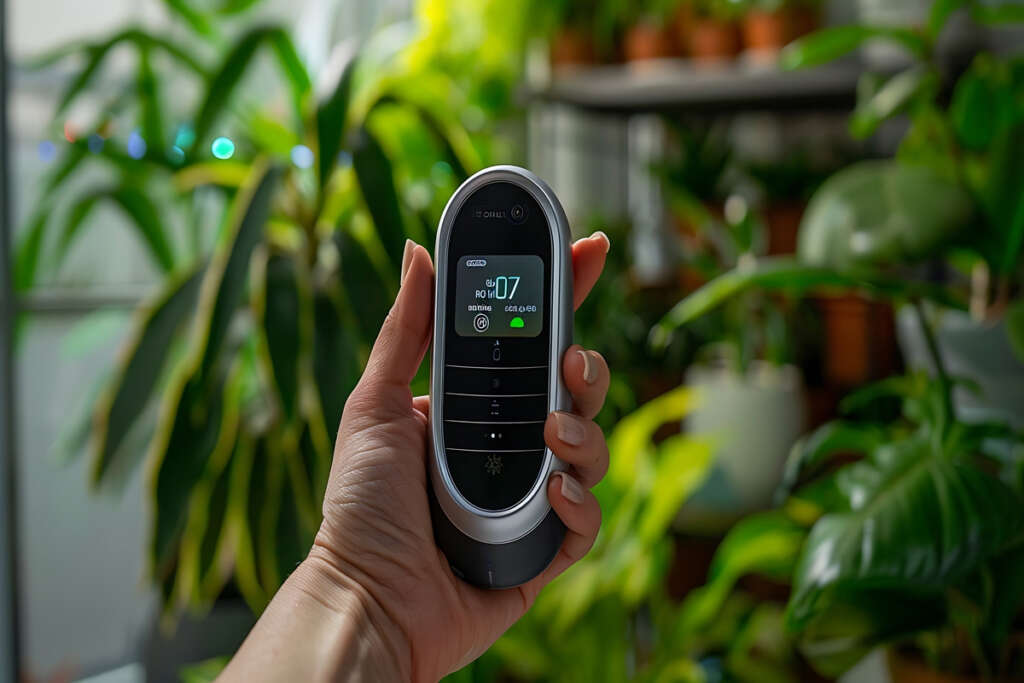
If you are curious and want to check the air quality with DIY test kits, then get the tools from the market and test the air quality in every room. You can use tools like radon kits, mold or VOC kits, CO detectors, and a hygrometer (to test humidity) for basic tests. These kits can provide you with the basic information about the presence of contaminants.
3. Call the Experts for Professional Indoor Air Quality Testing
DIY tests are great only for the basic information about the presence of pollutants. If you want to know things in detail, you need to get a professional indoor air quality test. Here’s what the licensed experts check during indoor air quality testing:
- Airborne mold
- Particulate matter
- Formaldehyde (HCHO)
- Total volatile organic compounds (TVOC)
- Air quality index (AQI)
- Carbon dioxide
Testing by the professionals provides you with authentic results, and they describe the root cause of the issue. Inspectors at GreenWorks Inspections also suggest the best possible ways to improve the quality of the air indoors.
How to Make Your Indoor Air Safer
After a detailed assessment by a licensed inspector, you’ll receive a report outlining the next steps. Usually, the steps a homeowner should take to make the indoor air safer are:
- Improve ventilation: Flush out contaminants through windows and exhaust fans
- Install HEPA Filter & Air Purifiers: They can trap dust, allergens, and particulate matter
- Seal the place: From where radon is entering your home
- Eliminate harmful substances: Paints or furnishing that contain VOCs
- Maintain the HVAC system: Change filters and keep humidity levels at a normal range
- Go green: Use indoor plants in your home that can absorb some pollutants
Final Words
When it comes to how to test air quality in a room, it starts with your awareness and ends by making a smart choice. Whether you go digital with a monitor or use the basic kit, you need experts’ recommendations to deal with the root cause that is causing your indoor air to be poor. Like most Americans, you may also be spending 90 percent of your time indoors, so don’t let the pollutants affect your health and comfort.
Reach out to GreenWorks Inspections and get indoor air quality testing to know about the presence of contaminants and how you can deal with them to make your place safer to breathe.