

Posts
How Hard Water Affects Your Home and How Testing Can Help
You’re washing up the dishwasher after dinner, and no matter how much you scrub, the white spots don’t go away. Or, every time you shower, you’re left feeling your skin is dry and itchy, and your hair simply won’t get clean no matter how much shampoo you use. These may sound like minor annoyances, but they may indicate that your home is struggling with a silent issue.
Here’s something surprising: As much as 85% of U.S. homes suffer from some degree of hard water. That’s not a small number. Hard water won’t make you sick, though it will damage your home without you even noticing and cost you money in the long run.
This blog will help you understand exactly what’s going on, how to spot the problem, and how hard water testing can help you take back control.
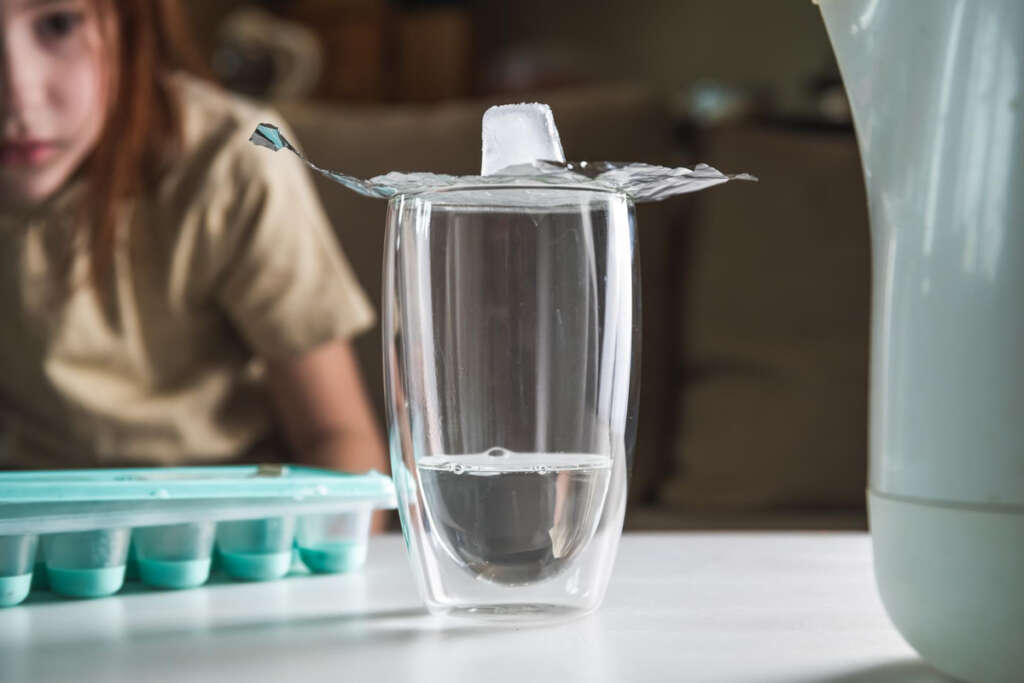
What Is Hard Water, And Why Is It Important
Hard water contains high levels of dissolved minerals, in particular calcium and magnesium. These minerals aren’t harmful to your health, but they do react with washing and cleaning agents and water in ways that will cause issues in your home.
When mineral-rich water runs through your pipes and appliances day and night, deposits build up, reducing efficiency and increasing wear and tear.
That’s why hard water testing matters. It provides you with a clear idea of what is in your water and how you can make the best decision about protecting your home’s water infrastructure.
Common Signs of Hard Water in Your House
Before we get into discussing testing, let’s discuss some real-life signs of living with hard water. The sooner you spot these signs, the more time and money you may save.
Visible Mineral Buildup
White, chalky calcite deposits on faucets, showerheads, and fixtures are among the most obvious signs of hard water. These crusty lines are mineral deposits left behind by evaporating water.
Soap Scum and Poor Lather
Hard water does not mix with the soap easily. Instead of foaming and cleaning, the minerals bind to the soap, leaving a diaphanous residue on your skin, shower tiles, or dishes.
Dry Skin and Hair
Minerals in hard water may strip your skin and hair of their natural oils. Even after a shower, you may still feel dry, itchy, or like you haven’t gotten the soap off.
Rough Clothes and Faded Fabrics
When you wash clothes in hard water, mineral deposits stick to the fabric. That can make the clothes feel stiff or even look dull over time, even after a fresh wash.
Appliance and Plumbing Issues
Scale buildup from hard water doesn’t just stick to your fixtures. It can collect in your dishwasher, washing machine, water heater, and pipes, making these devices and machines less efficient and sometimes requiring costly repairs.
Why Hard Water is More Than An Annoyance
You may think hard water is a surface problem, but the truth is it goes deeper than that.
Increased Energy and Repair Costs
Mineral assembly causes appliances to work harder. For instance, energy use in a water heater with scale deposits can spike during water heating, which, in fact, affects your utility bills.
Decreases Appliance Life
Anything that uses water, such as a dishwasher, washing machine, or coffee maker, can wear out more quickly due to buildup in its interior. That means additional replacement costs and, of course, more headaches.
Plumbing Wear and Tear
When minerals accumulate inside pipes, water flow may become restricted, leading to reduced flow rate, and your pipes may experience stress. Over time, this can lead to leaks, corrosion, or even necessitate replacing the pipes.
What Hard Water Testing Does for You
Here’s where hard water testing becomes one of the smartest moves you can make as a homeowner.
Get Precise Mineral Levels
Testing is a way to determine how hard your water is by measuring its mineral content. That’s much more helpful than making guesses.
Know What You’re Dealing With
Sometimes, there is nothing too bad about hard water. Testing is about separating perception from reality so you make the right choices. Without testing, you could install costly equipment that you do not really need.
Choose The Right Solution
Once you know your water’s hardness level, it’s easier to determine what course of action you need to take. You can choose among whole-home water softeners, targeted filters, or other water treatments. Some solutions are relatively inexpensive and straightforward once you know what you are dealing with.
Testing Options You Can Use
There are several methods for testing your water’s hardness level. You don’t have to be a scientist to do it.
DIY Hard Water Test Kits
You can find simple test strip kits at hardware stores. These give you a quick look at the water hardness in your home.
Professional Lab Testing
For the most accurate results, you can send a sample to a lab or hire a professional to test the water. They’ll give you detailed numbers and tell you a lot.
Bottle Soap Test
A quick DIY method involves taking water and a little pure soap and putting it in a bottle. If your water contains lots of suds, it is probably soft water. Golly foam will form if the water is very pure. If you have cloudy water but little foam, that’s a sure sign of hard water.
Real World Example: Hard Water And Household Appliances
Hard water can leave rusty-colored stains and buildup on appliances, such as dishwashers and water heaters. These problems will be more easily resolved if you know the hardness level of your water through testing.
Homeowners who don’t test, however, often end up replacing appliances early or paying more for energy than they need to. That’s where hard water testing gives you a real advantage.
What You Can Do After Testing
When you make sure that your water is hard, you have options of:
- Install a Water Softener: The most common option for whole-house treatment.
- Add Faucet and Shower Filters: Targeted fixings for particular fixtures.
- Temporary Cleaning Method: Use vinegar to remove build-up. It doesn’t solve the problem, but only relieves the symptoms.
- Regular Maintenance: Descale appliances and keep pipes flowing.
Testing allows you to plan these things rather than making guesses.
Final Thoughts
Hard water might not be dangerous, but it can make daily life harder and cost you more over time. From dry skin and poor laundry results to reduced appliance lifespan, its impacts are real and costly.
That’s where hard water testing comes in. Testing gives you the facts, clears up guesswork, and helps you choose the right solution for your home. Whether you notice buildup on fixtures or your appliances need more repairs than they should, knowing your water’s hardness is the first step toward a better, quieter, more efficient household.
If you think your home might be dealing with hard water, don’t wait for more problems to show up. Let GreenWorks Inspections be your trusted home inspection partner, providing accurate hard water testing as part of a thorough home evaluation. We help you understand your water quality and provide the insights you need to protect your home and family. Schedule your hard water testing today and take the guesswork out of your water quality once and for all.