Posts
7 Common Types of Mold in Your House
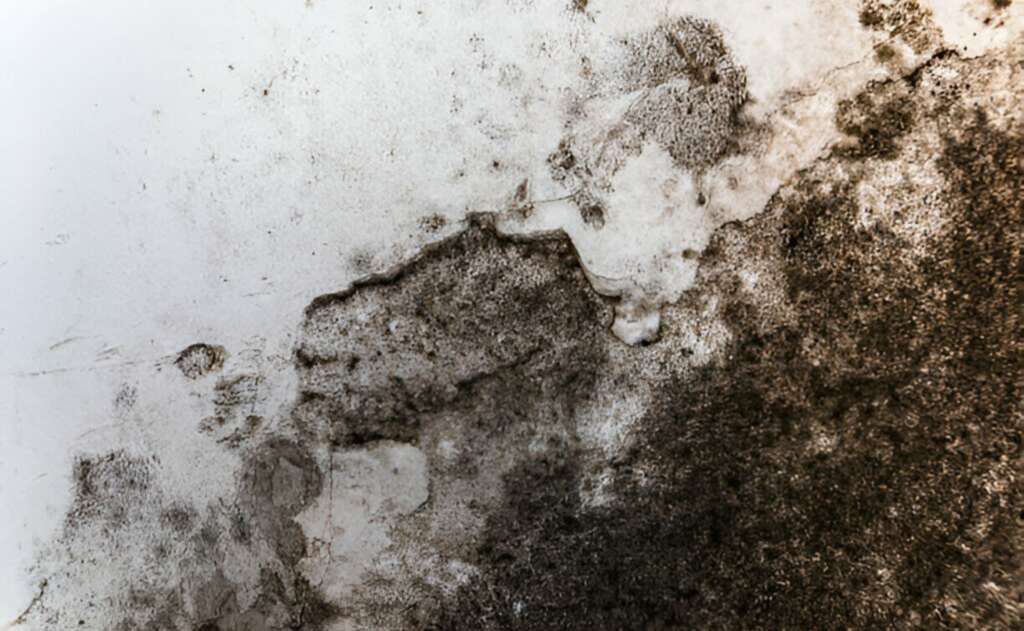
Discovering fuzzy growth or musty odors in your home is often a sign of an active mold problem. Identifying the specific types of household mold growing inside your home is crucial because different species range from simple structural nuisances to dangerous toxin producers.
The most common types of mold in homes include Cladosporium, Penicillium, Aspergillus, and the infamous toxic black mold, Stachybotrys chartarum. Booking a professional mold assessment helps you pinpoint the exact species and isolate hidden moisture sources behind the infestation.
Why Indoor Mold Growth Demands Fast Action
Mold spores exist naturally in outdoor air, but when they drift into your home and find moisture, they multiply rapidly. Poor ventilation, leaky pipes, high humidity, and past roof leaks create the perfect breeding ground on porous materials like drywall, carpet, and wood framing.
Ignoring common household mold leads to serious consequences. According to public health guidelines from the CDC Mold and Health Overview, persistent indoor mold exposure triggers chronic nasal congestion, wheezing, skin rashes, and severe reactions in people with asthma or weakened immune systems.
Beyond health risks, active fungi feed on organic building materials. This can rot your wall studs and ceiling joists from the inside out. Recognizing the different types of mold early prevents costly structural repairs later.
Comparing Mold Categories: Allergenic, Pathogenic, and Toxigenic
Microbiologists categorize indoor fungi into three primary hazard levels based on how they affect human health:
| Hazard Category | Health Risk Level | Typical Household Symptoms | Common Examples |
| Allergenic | Mild to Moderate | Sneezing, runny nose, itchy eyes, skin irritation. | Cladosporium, Alternaria |
| Pathogenic | Moderate to Severe | Respiratory infections in immunocompromised individuals. | Aspergillus, Penicillium |
| Toxigenic | Severe / Hazardous | Mycotoxin poisoning, neurological symptoms, chronic fatigue. | Stachybotrys chartarum, Memnoniella |
7 Most Common Types of Mold Found in Homes
Knowing what you are dealing with helps you choose the right remediation plan. Here are the top common molds found in homes today:
Aspergillus
Aspergillus is extremely widespread in residential properties. It often grows on drywall, air ducts, and insulation where moisture accumulates. It forms fluffy patches that appear white, yellow, or green. Inhaling Aspergillus spores can trigger respiratory infections known as aspergillosis in vulnerable individuals.
Cladosporium
Unlike species that prefer warm environments, Cladosporium grows in both cold and warm conditions. It frequently appears on carpet fibers, wooden floorboards, wallpaper, and inside window sills as dark green or black powdery spots. It is a major trigger for year-round allergy symptoms.
Penicillium
Recognizable by its blue-green hue and velvety texture, Penicillium spreads rapidly through water-damaged carpet, wallpaper, mattresses, and HVAC duct lining. It releases airborne spores quickly, causing chronic sinusitis and allergic bronchitis if left untreated.
Stachybotrys Chartarum (Toxic Black Mold)
Often called “black mold,” Stachybotrys is a toxigenic fungus that produces harmful chemical compounds called mycotoxins. It is dark greenish-black with a slimy texture and thrives on high-cellulose building materials (like drywall and subflooring) that remain wet for long periods. Exposure can lead to severe headaches, respiratory distress, and chronic fatigue.
Alternaria
Alternaria is one of the leading causes of seasonal respiratory allergies. It features a velvet-like texture with brown or dark green fibers. It commonly forms in damp bathrooms, underneath leaky sink basins, and around shower stalls where moisture lingers.
Aureobasidium
This fungus is frequently found behind wallpaper, on painted wooden trim, and around window frames. It starts as a pink, brown, or white film and turns dark brown or black as it matures. Direct contact with Aureobasidium often causes severe skin infections and eye irritation.
Trichoderma
Trichoderma is an aggressive fungal species that grows in persistent moisture zones, such as saturated carpet padding or wet HVAC coils. It forms white patches with bright green tufts. As it grows, it produces enzymes that rot wood framing. It can affect your home’s structural integrity.
What to Do If You Spot Mold in Your Home
If you suspect mold is growing inside your living space, avoid these common mistakes:
- Do not dry-scrub the area: Scrubbing dry mold releases millions of microscopic spores directly into your indoor air.
- Avoid relying solely on bleach: Bleach kills surface mold on non-porous tile, but its high water content sinks into porous drywall, feeding deep fungal roots beneath the surface.
- Fix the moisture source first: Cleaning up mold without repairing leaky pipes, roof drips, or high indoor humidity guarantees the spores will return within days. Follow recommendations on the EPA Moisture and Mold Control Guide to keep your home’s relative humidity below fifty percent.
Protect Your Home & Family from Mold
When you see suspicious growth or smell persistent musty odors, getting an accurate diagnosis is the safest path forward. At GreenWorks Inspections & Engineering, our certified environmental specialists perform comprehensive mold assessments tailored to your property.
Take the first step toward a healthier indoor environment. Schedule a mold inspection with us to identify hidden hazards and keep your indoor air safe.