Posts
Colorado Wildfire Resiliency Code: Class 1 vs. Class 2 Hardening, and What Colorado Homeowners Need to Know
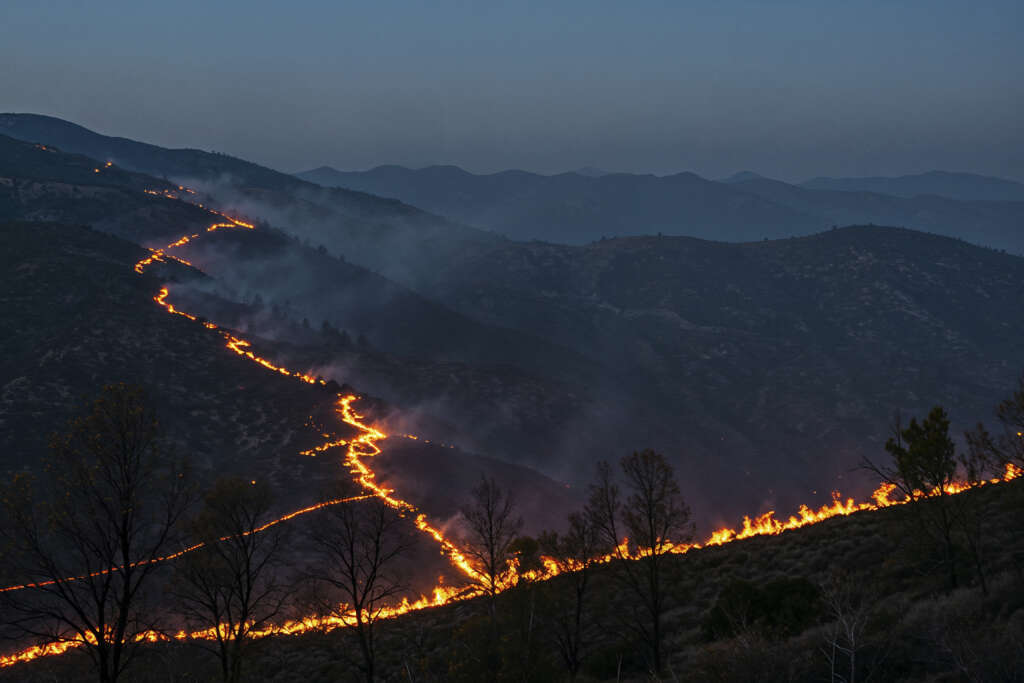
On December 30, 2021, the Marshall Fire tore through Boulder County in a matter of hours. By the time it was contained, more than 1,000 structures had been destroyed, most of them homes in suburban neighborhoods that many residents never thought of as wildfire country.
The fire changed Colorado’s approach to building in fire-prone areas permanently. It proved that ember cast, the process by which burning debris travels far ahead of the fire front and ignites structures, is a suburban threat, not just a mountain one. The homes that survived were not the ones that got lucky. They were the ones built or retrofitted with materials that resisted ignition.
Colorado responded by establishing the Wildfire Resiliency Code Board (Senate Bill 23-166), tasked with creating the first statewide minimum building standards.
Today, those standards are a reality. This guide explains exactly what the code requires, the difference between Class 1 and Class 2 hardening, and what you need to do before the July 1, 2026, enforcement deadline.
Why Colorado Needed a Statewide Code
Before SB 23-166, wildfire building standards in Colorado were a patchwork. Some municipalities had strict requirements. Others had almost none. A home built in one county could face entirely different standards than an identical home five miles away in the next jurisdiction.
That inconsistency created two problems.
- First, it made it nearly impossible for builders and homeowners to know what safe actually meant in practice.
- Second, it created coverage gaps; insurers pricing risk across the state couldn’t rely on any consistent baseline for what a fire-resistant home looked like.
The Colorado Wildfire Resiliency Code draws a consistent line. While the state provided the master mapping framework in 2025, local jurisdictions have now finalized their specific maps to determine which requirements apply to which properties.
Class 1 Hardening: The Highest Protection Standard
Class 1 applies to structures in the highest wildfire risk zones, requiring the most stringent material standards across all major exterior components, because in a severe ember event, every gap and every combustible surface is a potential ignition point.
Roof Systems
Must carry a Class A fire-rated assembly rating, not just the surface material. Qualifying options include Class A asphalt fiberglass shingles, metal roofing, concrete or clay tile, and fire-rated wood shingles with an approved underlayment.
Attic and Eave Vents
Embers carried on wind force their way into attic spaces through standard mesh vents, igniting insulation and framing from within before the fire front arrives. Class 1 requires ASTM E2886-compliant ember-resistant vents, such as fine-mesh or intumescent materials, that block intrusion without restricting airflow.
Walls and Siding
Must use non-combustible or ignition-resistant materials. Fiber-cement siding is the most widely used compliant option. Post-Marshall Fire assessments credited it with keeping structures standing while neighboring homes burned.
Decks and Attachments
Standard untreated lumber is prohibited. Compliant options include fire-treated wood, ignition-resistant composite decking, or non-combustible materials such as concrete or stone.
Class 2 Hardening: Elevated Protection for Moderate-Risk Zones
Class 2 applies to moderate-risk zones. While requirements are slightly less restrictive, the goal is the same: prevent your home from becoming fuel that spreads fire to your neighbor.
Under Class 2, roof assemblies still require Class A ratings, but siding and deck requirements allow for a broader range of ignition-resistant materials.
Pro Tip: Even if your property falls in a Class 2 zone, upgrading to Class 1 is increasingly worth it. A growing number of Colorado insurers are factoring hardening levels into underwriting; Class 1 materials can be the difference between a standard policy and the state’s insurer of last resort (the FAIR Plan).
What the Adoption Timeline Means for Homeowners and Builders
We are currently in a critical transition period. Local jurisdictions had until April 1, 2026, to adopt these standards. We are now moving toward full enforcement on July 1, 2026.
The Colorado Division of Fire Prevention and Control (DFPC) oversees this process at the state level. While they provide the overarching framework, homeowners and builders should now monitor their specific county or municipal building department communications for final local maps and permit requirements.
The Trigger Rules for Existing Homes:
- The 25% Rule: In many jurisdictions, if you replace 20–25% or more of your roof, the entire assembly must be upgraded to meet the new Class A fire-resistive standards.
- Additions: Significant renovations (often 500 sq. ft. or more) will likely trigger compliance requirements for the new portion of the structure.
- Market Pressure: Even if you aren’t building, many contractors are transitioning to compliant materials now to avoid liability and future-proof their work.
The Insurance Dimension
Insurance availability is the real-world pressure driving many homeowners to act before any legal deadline. Major carriers have restricted or discontinued new policies in Colorado, citing wildfire exposure.
Homes that demonstrably meet Class 1 or Class 2 hardening standards are in a materially better position with underwriters. Some carriers are now offering premium reductions for documented hardening upgrades. A professional assessment that documents your home’s compliance status is no longer just a checkbox; it’s a financial asset.
How to Get Ready
Start with your Home Ignition Zone, the five feet immediately surrounding your structure.
- Clear combustible mulch, dead vegetation, and flammable landscaping from this space first.
- Swap standard attic vents for ASTM E2886-compliant ember-resistant screens.
- Check your gutters; metal outperforms plastic in every post-fire assessment on record.
Then confirm which zone your property sits in by contacting your local building department. These steps cost relatively little and deliver outsized protection.
GreenWorks: Licensed Inspection and Engineering Across Colorado
Navigating the Wildfire Resiliency Code is easier when you have a qualified engineering firm in your corner. GreenWorks operates across Colorado as a licensed inspection and engineering company. If you’re assessing your property’s current condition, planning upgrades, or simply need a professional evaluation of where you stand, contact us to discuss what assessment is right for your situation.
The market and the regulatory environment are moving in the same direction. The question is whether you get ahead of it or react to it.
Contact GreenWorks to get started.