Posts
Why Moisture Analysis Is Important for Your Home
Key Takeaways
- Moisture problems can develop behind walls, beneath floors, and in attics before visible stains or leaks appear.
- Thermal imaging and moisture meters can help inspectors identify areas that may need further investigation.
- Persistent moisture can damage drywall, insulation, flooring, and wood framing, creating conditions that support mold growth.
- Musty odors, peeling paint, warped flooring, and recurring condensation can all signal excess moisture.
- Finding the source early can help homeowners address leaks before they lead to more extensive repairs.
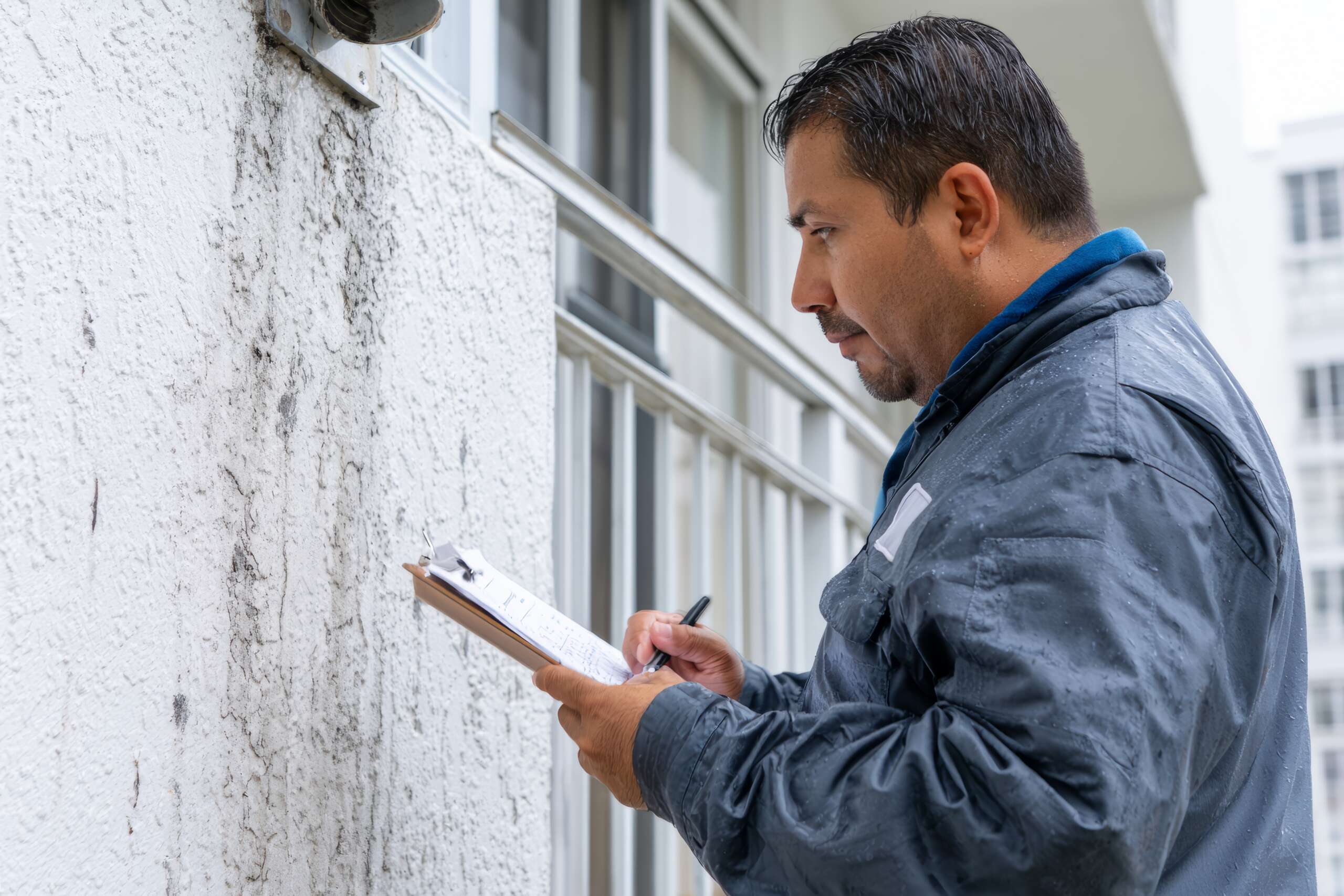
A leak doesn’t have to leave a puddle to be a problem. According to the EPA, average household leaks can waste nearly 9,300 gallons of water every year. Now imagine some of that water escaping somewhere you can’t easily see.
A slow plumbing leak, failed appliance connection, roof intrusion, or moisture beneath flooring can go unnoticed while surrounding materials continue to absorb water. By the time staining, warped flooring, or a musty odor gets your attention, the source may have been there for some time.
A professional moisture analysis for your home helps investigate these less-obvious problem areas using visual observations and tools such as moisture meters and thermal imaging.
The goal is simple: find where moisture is accumulating, identify what may be causing it, and give you the information to address it before the damage spreads.
What Is Moisture Analysis & How Does It Work
A moisture assessment goes far beyond just looking for damp spots. Certified inspectors use non-invasive technology to trace exact water pathways inside wall cavities, beneath tile, and within insulation.
Home inspectors use infrared cameras to detect moisture behind the walls. Cold spots on thermal images often reveal hidden water accumulation. Inspectors then press moisture meter pins into wooden studs to measure exact water content percentages.
| Detection Tool | How It Works | Best Used For |
|---|---|---|
| Infrared Thermal Camera | Measures surface temperature differences | Spotting hidden leaks behind large walls |
| Pinless Moisture Meter | Uses radio frequencies to scan surfaces | Checking hardwood floors without leaving holes |
| Pin-Type Moisture Meter | Measures electrical resistance between pins | Checking deep water levels inside structural wood |
| Digital Hygrometer | Measures air temperature and humidity | Tracking damp air inside attics and basements |
The Hidden Cost of Moisture Issues in Homes
Trapped water causes progressive damage that gets more expensive to fix every week it sits unchecked. Understanding the difference between short-term leaks and long-term water decay helps you take action quickly.
Knowing the difference between mold and water damage helps when you’re repairing your home. Water damage refers to the physical weakening, warping, or rotting of building materials caused directly by liquid water. Fungal growth is a biological secondary effect that develops on top of damp organic materials within twenty-four to forty-eight hours.
Without early detection, elevated moisture leads to:
- Rotted Structural Studs: Wood framing softens and loses its structural strength when moisture levels stay above twenty percent.
- Ruined Insulation: Wet fiberglass batts compress, lose their thermal insulation value, and spike your heating bills.
- Compromised Flooring: Subfloor plywood swells and buckles, causing expensive hardwood and tile floors to pop out of place.
How High Moisture Quietly Trashes Your Health
Living in a damp house takes a very real toll on your physical health long before you ever see a sagging ceiling. When relative humidity inside your home rises, it creates a paradise for fungal infestation. Air with high mold spores can lead to these symptoms:
- Never-ending allergy attacks like sneezing and itchy eyes
- Worsened asthma conditions like inflamed airways and wheezing
- Skin irritation like unexplained skin rashes and eczema
Clear Signs Your Property Needs an Inspection
Your house usually gives warning signs when humidity or groundwater levels rise. Watching for these red flags helps you catch issues before major structural damage occurs.
Musty or Earthy Odors
If you notice a persistent damp smell near baseboards or air vents, water may be trapped inside wall cavities or beneath carpet padding.
Peeling Paint or Bubbling Wallboards
The moisture behind the drywall causes paint to lose adhesion. It creates bubbles or soft yellow stains on ceilings and walls.
Cupped or Squeaky Hardwood Floors
When subflooring absorbs dampness from a crawl space, hardwood floorboards warp upward at the edges, creating a cupped appearance.
High Indoor Humidity and Window Condensation
Droplets forming on the inside of window glass indicate that your indoor air holds too much water vapor.
Where Excess Moisture Hides in Houses
Water always follows the path of least resistance. It pools in dark, unventilated zones with low air circulation, where evaporation cannot happen naturally.
- Basements and Crawl Spaces: Bare earth floors release water vapor directly into subfloor framing through capillary action. Unsealed foundation walls also allow groundwater to seep inside during heavy rains.
- Attics and Roof Spaces: Damaged shingles, improper flashing around chimneys, or bathroom exhaust fans venting directly into the attic create wet roof decking and insulation.
- Behind Showers and Appliances: Slow plumbing drips behind washing machines, dishwashers, and tiled shower walls seep into subflooring for months without being noticed.
Get a Professional Moisture Analysis for Your Home
A professional moisture analysis for your home takes the guesswork out of the process. Inspectors can evaluate suspicious areas, measure moisture levels, and gather information that helps you determine what needs attention instead of repairing the wrong area and hoping the problem disappears.
If something in your home has you questioning where moisture is coming from, GreenWorks Inspections & Engineering can help you get answers.
Schedule your inspection today and get a clearer picture of what’s happening beneath the surface.