Posts
How to Remove Black Mold from Walls
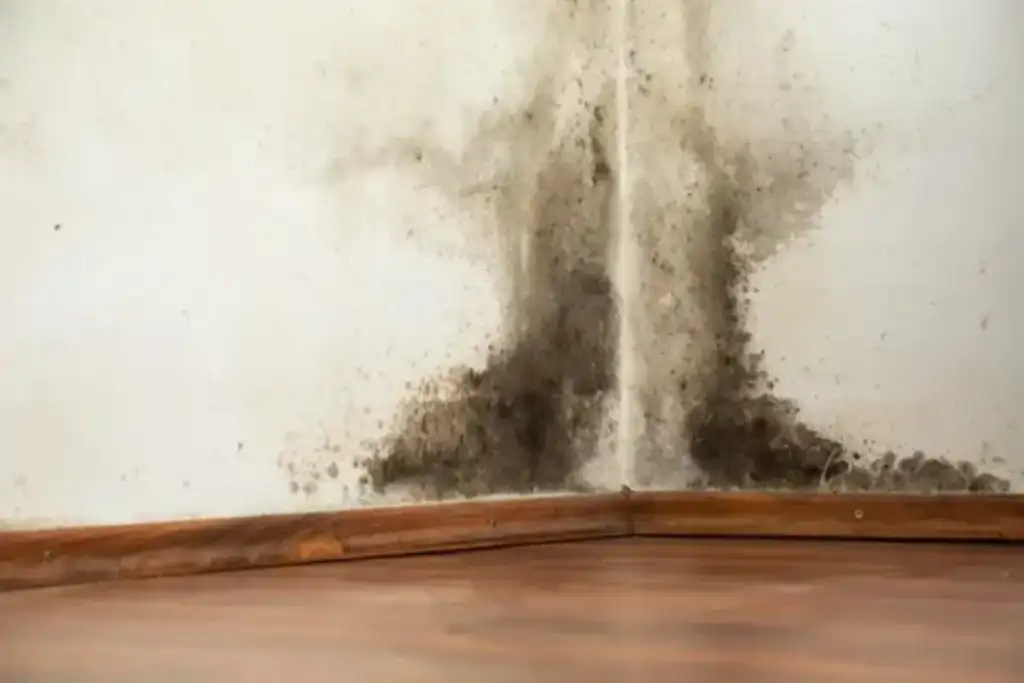
Noticing a sudden dark spot on wall surfaces inside your home can be alarming. Is it just dirt, or is it toxic mold spreading behind the sheetrock? Left untreated, fungal growth ruins drywall, causes structural decay, and releases hazardous spores into your indoor air.
Identifying whether small black spots on wall areas are minor surface mildew or serious fungal growth is critical for keeping your family safe. In this guide, we explain how to identify toxic growth, answer whether mold stains walls, break down safe cleanup methods, and show when to call certified specialists.
What Causes Black Mold in Walls
Mold spores exist naturally in the air around us. However, they only grow indoors when three conditions come together: moisture, warm temperatures, and organic material (like drywall paper or wood studs).
Common sources of indoor moisture include:
- Hidden Plumbing Leaks: Pinhole leaks in water supply pipes behind sheetrock.
- Roof & Window Flashing Leaks: Rainwater seeping through exterior walls during storms.
- High Indoor Humidity: Poor ventilation in bathrooms, kitchens, and basements.
- HVAC Condensation: Clogged air conditioner drain lines overflowing near walls.
According to health guidelines from the U.S. Environmental Protection Agency (EPA), controlling indoor moisture is the single most important factor in preventing and stopping indoor mold growth.
Early Warning Signs: How to Spot Mold Before It Spreads
Mold does not always start as a massive colony. Early signs are subtle and easy to overlook:
- Small Black Spots on Wall Surfaces: Tiny, clustered dots that feel slightly fuzzy or slimy to the touch.
- Discoloration & Staining: Dark, patchy black stains on walls that spread over time.
- Musty Odors: An earthy, damp smell near baseboards or electrical outlets.
- Peeling Paint or Bubbling Wallpaper: Moisture trapped inside the wall causes paint to lift and crack.
Step-by-Step Guide to Removing Small Surface Mold
If you are dealing with a small area of black mold on wall surfaces (under 10 square feet), follow these steps carefully:
Step 1: Protect Yourself First
Put on an N95 respirator mask, safety goggles, and rubber gloves before touching affected surfaces. Open nearby windows for fresh air ventilation.
Step 2: Fix the Moisture Source
Never clean mold without fixing the water leak first. If the leak continues, spores will return within 24 to 48 hours.
Step 3: Scrub with an Approved Solution
Avoid using pure bleach on porous drywall. Bleach contains mostly water, which can actually soak into sheetrock and feed hidden mold roots later. Instead, use a commercial mold cleaner or a mixture of detergent and warm water.
Spray the affected dark spot on wall surfaces, let it sit for 10 minutes, and gently scrub with a stiff brush.
Step 4: Dry the Area Completely
Wipe down the wall with clean rags. Place an electric fan or dehumidifier in the room to dry the drywall completely. Moisture left behind will cause new small black spots to form on wall areas.
Step 5: Seal & Repaint
Apply a stain-blocking, mold-resistant primer over remaining black stains on walls before applying fresh paint.
DIY Mold Removal vs. Professional Remediation
Before grabbing a spray bottle, determine whether the job is safe to handle yourself.
| Remediation Factor | DIY Cleanup Suitable | Professional Remediation Required |
|---|---|---|
| Affected Area Size | Less than 10 square feet (3ft x 3ft patch) | Greater than 10 square feet |
| Contamination Depth | Non-porous surface (tile, glass, painted trim) | Porous surface (drywall, insulation, wood framing) |
| Water Source | Clean water leak (sink overflow) | Sewage backup or contaminated flood water |
| Health Considerations | No underlying respiratory conditions | Household members have asthma, allergies, or weak immunity |
How to Prevent Mold from Returning to Your Walls
Cleaning off mold is only half the battle. Preventing it from returning requires managing your home’s indoor environment:
- Use Bathroom Exhaust Fans: Run exhaust fans during showers and leave them on for 20 minutes afterward.
- Fix Leaks Immediately: Repair dripping faucets, pipe joints, and roof flashing at the first sign of moisture.
- Improve Air Circulation: Keep furniture slightly away from exterior walls to allow air to flow freely.
- Monitor Indoor Humidity: Use a simple hygrometer to ensure indoor humidity stays between 30% and 50%.
- Clean AC Drain Lines: Flush your HVAC condensate line annually to prevent backups.
Schedule Certified Mold Inspection & Testing Services
Surface wiping only addresses what you can see. If you are dealing with recurring black stains on walls, persistent damp smells, or wall spots larger than 10 square feet, testing your indoor air quality is the only way to confirm if toxic species like Stachybotrys chartarum are present.
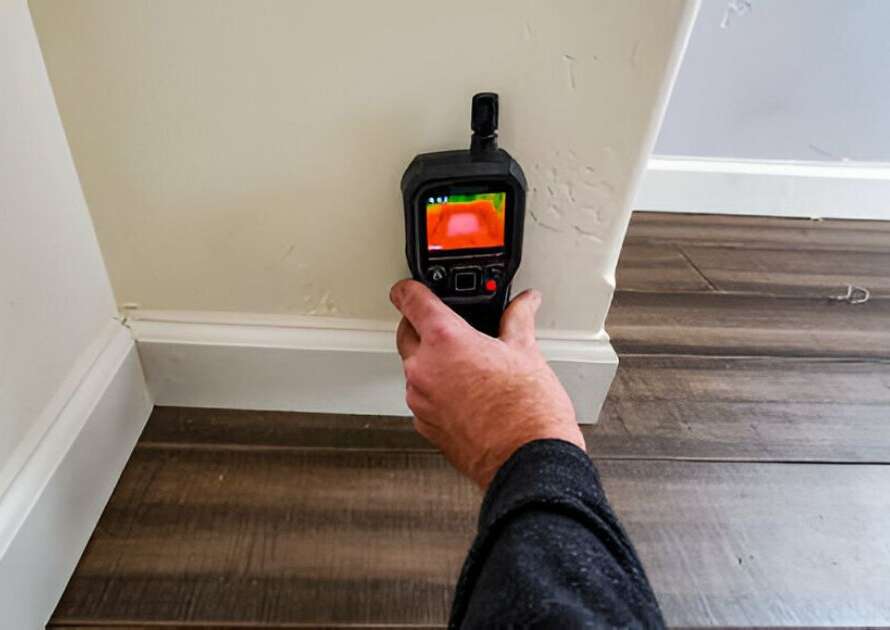
Certified environmental specialists at GreenWorks Inspections & Engineering use specialized air cassettes and surface swabs to measure spore counts, locate hidden moisture pockets, and provide clear remediation steps. Schedule your mold inspection today and take steps to prevent hidden damage.