Posts
Foundation Cracks Explained: Which Ones Are Cosmetic and Which Ones Cost Thousands to Fix
Major foundation repairs can cost homeowners between $4,500 to $15,000, depending on the severity of the problem.
Learning about the different types of foundation cracks in homes can be the difference between a cheap DIY fix and a structural nightmare. This guide shows you exactly what to look for to help you sleep better at night.
You will understand how to spot the danger zones on your walls, which will also help you decide when to call a pro and when to just buy a DIY concrete repair kit.
The Science Behind Why Concrete Cracks
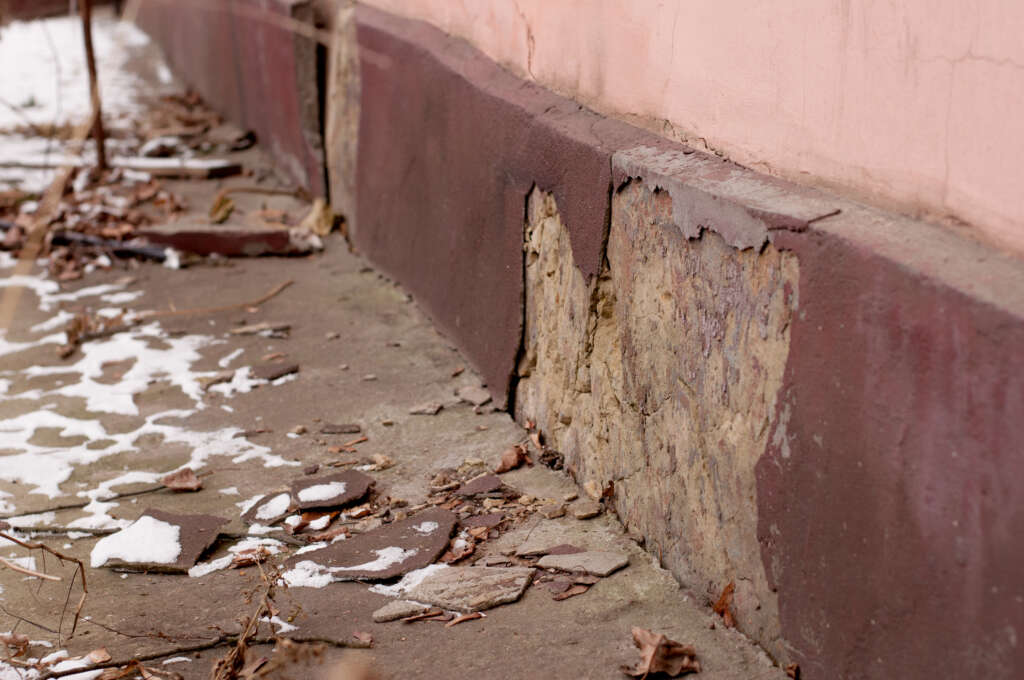
Concrete is incredibly strong when you push down on it. It is actually quite brittle when it starts to pull apart or shift. Most new homes experience some level of settling within the first few years. This happens as the heavy structure settles into its final position in the dirt below.
The soil around your home behaves like a giant sponge. When it rains, the soil expands and pushes against your walls. When the weather gets dry, that same soil shrinks away.
This constant back-and-forth creates massive pressure on your home’s bones.
When Vertical Cracks Are Just a Sign of Aging
Vertical cracks are the most common type of foundation crack in homes. They usually run straight up and down or slightly diagonal. In many cases, these are just shrinkage cracks. They often happen within the first year of construction, as the concrete dries out
If the crack is thinner than one-eighth of an inch, it is likely cosmetic. You should still monitor it to ensure it does not widen over time.
Vertical cracks are typically caused by tension as the concrete dries out and shrinks. While they can let in some moisture, they rarely threaten the building’s safety.
You can often fix these with a simple polyurethane or epoxy injection. This seals the gap and keeps the basement dry without breaking the bank.
The High Cost of Horizontal Wall Failure
If you see a crack running sideways across your basement wall, stop what you are doing.
Of all the types of foundation cracks in homes, horizontal ones are by far the most dangerous. They signal that your wall is actually buckling under the weight of the earth outside. This is often called hydrostatic pressure.
The weight of the wet earth is literally pushing the wall inward. If left alone, the entire wall can eventually bow or even collapse.
The Federal Emergency Management Agency (FEMA) notes that improper drainage traps water against your foundation, making it a leading cause of this dangerous buildup.
Fixing a horizontal crack often requires heavy equipment. Engineers might have to install carbon fiber straps or steel beams to hold the wall in place.
Why You Should Worry About Stair Step Cracks
Stair step cracks look exactly like they sound. They follow the mortar joints in brick or concrete blocks, moving up and over like a set of stairs. These are a major red flag for differential settlement. This means one part of your house is sinking faster than the rest.
This usually happens when the soil underneath the home is uneven. Maybe one side of the house was built on packed clay, and the other on loose fill.
So, the big question is: when to worry about a foundation crack?
Look at the corners of your home. If the stair-step pattern is wider at the top than at the bottom, the house is tilting outward.
This type of movement requires piercing. This involves driving steel pipes deep into the earth to reach stable soil or bedrock.
The $75 Million Failure of the Ocean Tower
The story of the Ocean Tower on South Padre Island. It was supposed to be a luxury 31-story condo with a beautiful view of the Gulf of Mexico.
Halfway through construction, the massive building started to sink and lean. The foundation rested on a layer of clay that could not support the weight of the concrete. Cracks began to tear through the support columns and the parking garage.
It got so bad that the developers had to give up and blow the whole building up in a controlled demolition. This $75 million disaster happened because the builders did not account for how the soil would react to the pressure.
While your home is much smaller, the physics is the same. If the ground moves and the foundation is unsupported, the structure will eventually collapse.
Identifying Cosmetic Hairline Gaps
Not all types of foundation cracks in homes mean your house is falling down. Some are just a natural part of the concrete drying out and shrinking over time. Hairline cracks are usually less than one-sixteenth of an inch wide.
You often find these on the garage floor or the basement slab. Since these floors are not usually load-bearing, a crack there is rarely a danger.
Hairline cracks are common in areas with extreme temperature swings. The concrete expands in the summer heat and shrinks in the winter cold. As long as the two sides of the crack are level with each other, it is likely cosmetic.
If one side of the crack is higher than the other, you have a heaving problem. Heaving happens when the soil underneath the slab expands upward. This can happen if a water pipe leaks under your house.
How to Check Your Property’s Foundation Today
You do not need to be an engineer to do a basic home check. Start by walking around the outside of your house.
Look for gaps between the soil and the foundation wall. Also, check that your gutters are at least 5 feet away from the house. Successfully controlling bulk water for foundations is critical for the building’s durability.
Go inside and check your doors and windows. If they suddenly start sticking or refuse to close, your foundation might be shifting.
Check your drywall for cracks near the corners of door frames. These stress cracks often mirror the problems happening in the concrete below.
Keep a list of the different types of foundation cracks in homes we mentioned. This makes your conversation with a professional much easier and more productive
Get a Professional Foundation Assessment
If you are worried about a crack in your wall, do not guess about the safety of your home.
Greenworks Inspections & Engineering provides the clarity you need. Our team of professionals specializes in identifying structural risks before they become costly catastrophes. We offer thorough, unbiased inspections that give you the facts about your home’s health. Contact us today to schedule your consultation and protect your biggest investment.